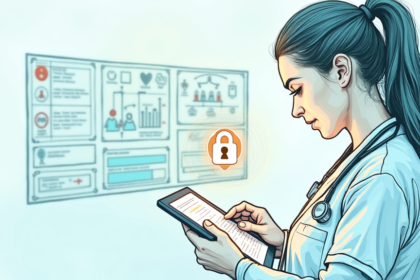

Understanding the Core Requirements of HIPAA Compliance
HIPAA compliance is not a single event but an ongoing process that requires healthcare organizations to implement administrative, physical, and technical safeguards for protecting patient health information (PHI). The key pillars include the Privacy Rule, which governs how PHI can be used and disclosed; the Security Rule, which sets standards for protecting electronic PHI (ePHI); and the Breach Notification Rule, which mandates timely reporting of data breaches. For hospitals and clinics, this means establishing clear policies for patient data access, encrypting ePHI at rest and in transit, and conducting regular risk assessments to identify vulnerabilities in clinical systems.
Beyond the rules themselves, compliance also requires organizations to appoint a designated Privacy Officer and Security Officer, provide ongoing workforce training on data handling procedures, and maintain detailed documentation of all compliance efforts. These foundational elements create a framework that not only meets regulatory obligations but also builds trust with patients by demonstrating a commitment to safeguarding their sensitive health information.
Implications for Hospital Security and Compliance Teams
For hospital CISOs and compliance officers, achieving HIPAA compliance directly impacts clinical operations and patient safety. A breach of ePHI can disrupt hospital workflows, delay treatments, and expose patients to identity theft or fraud. The Security Rule specifically requires risk management processes that address threats to ePHI, such as ransomware attacks on electronic health record (EHR) systems or unauthorized access to medical devices on the hospital network. Implementing strong access controls, including multi-factor authentication for clinical staff, and enabling audit logs to track who accesses patient records are practical steps that align with HIPAA requirements.
Healthcare organizations should also consider how their medical device security program integrates with HIPAA compliance. Many connected devices, from infusion pumps to imaging systems, store or transmit ePHI. Ensuring these devices are inventoried, patched, and segmented from other network traffic is essential for maintaining compliance and preventing vulnerabilities that could lead to patient harm. Regular vendor risk assessments and business associate agreements are additional critical controls that help health systems meet their HIPAA obligations while managing third-party risks.
Best Practices for Sustaining Compliance Over Time
Sustaining HIPAA compliance requires a proactive, continuous approach rather than a one-time checklist. Organizations should conduct annual risk assessments that evolve with new threats, such as phishing campaigns targeting hospital staff or exploits against telehealth platforms. Engaging with healthcare-specific frameworks, such as the NIST Cybersecurity Framework for healthcare, can help align security controls with HIPAA mandates while improving overall resilience. Additionally, tabletop exercises simulating a data breach can test response plans and identify gaps in communication between security, legal, and clinical teams.
For health systems with limited resources, leveraging automated compliance tools that map security controls to HIPAA requirements can streamline documentation and reporting. Ultimately, compliance should be viewed as a strategic advantage that protects patient trust, reduces legal liability, and supports the safe delivery of care in an increasingly digital healthcare environment.
Source: Hipaajournal