
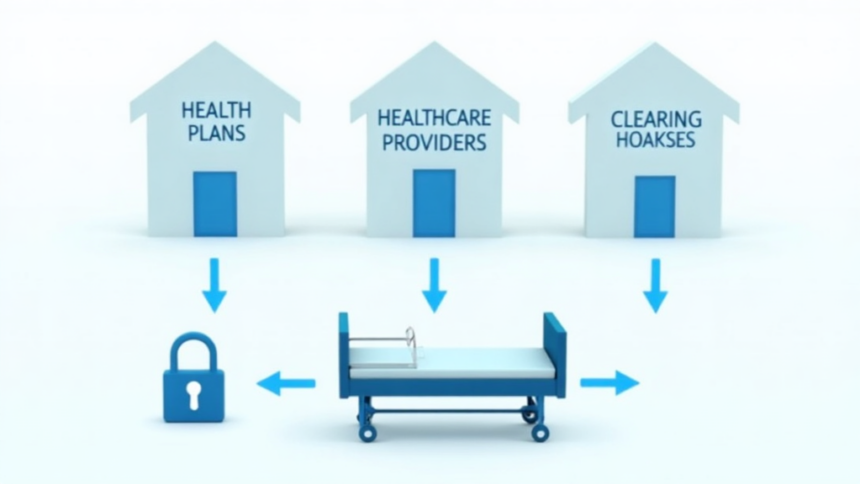
Defining the HIPAA Covered Entity
HIPAA regulations apply to three primary categories of organizations: health plans, healthcare clearinghouses, and healthcare providers who conduct electronic transactions. Health plans include insurers, HMOs, employer sponsored group health plans, and government programs like Medicare and Medicaid. Healthcare clearinghouses process nonstandard health information into standard formats, acting as intermediaries between providers and payers.
Healthcare providers such as hospitals, clinics, nursing homes, pharmacies, and physicians become covered entities when they transmit health information electronically for standard transactions like claims, eligibility inquiries, or payment requests. This broad net means almost any organization that delivers medical care and uses electronic billing or record systems falls under HIPAA compliance obligations.
Implications for Hospital Security and Compliance Teams
For hospital CISOs and compliance officers, correctly identifying which parts of your organization are covered entities is foundational to building an effective HIPAA compliance program. A health system may have multiple covered entity components for example, the hospital itself, its employed physician group, and its self insured health plan all operate under separate covered entity status. This distinction matters because it determines the scope of required privacy and security safeguards, breach notification procedures, and business associate agreements.
When a covered entity outsources services to a third party such as a cloud based EHR provider, claims processing firm, or medical transcription service those vendors become business associates and must enter into written agreements guaranteeing PHI protection. The security rule requires covered entities to implement administrative, physical, and technical safeguards, including risk analysis, workforce training, access controls, and audit controls. For healthcare organizations, failure to properly classify covered entity status can lead to compliance gaps that expose patient data and invite regulatory penalties.
What This Means for Patient Data Protection
The covered entity designation carries direct implications for patient privacy and clinical operations. When a hospital emergency department transmits a claims file to a clearinghouse for processing, both the hospital as covered entity and the clearinghouse as business associate must maintain HIPAA compliant safeguards. If a breach occurs, the covered entity bears primary responsibility for notifying affected individuals, the Department of Health and Human Services, and in some cases the media.
For healthcare security professionals, understanding this framework helps prioritize resources. Patient data flows through many hands electronic health records, revenue cycle management systems, telehealth platforms, and health information exchanges. Each connection creates potential exposure points. Compliance officers should conduct regular audits of vendor relationships and update business associate agreements as services evolve. The ultimate goal is ensuring that every entity touching electronic protected health information, whether directly or indirectly, operates under the same rigorous security standards that protect patient trust and clinical continuity.
Source: Hipaajournal