Breach Timeline and Initial Response
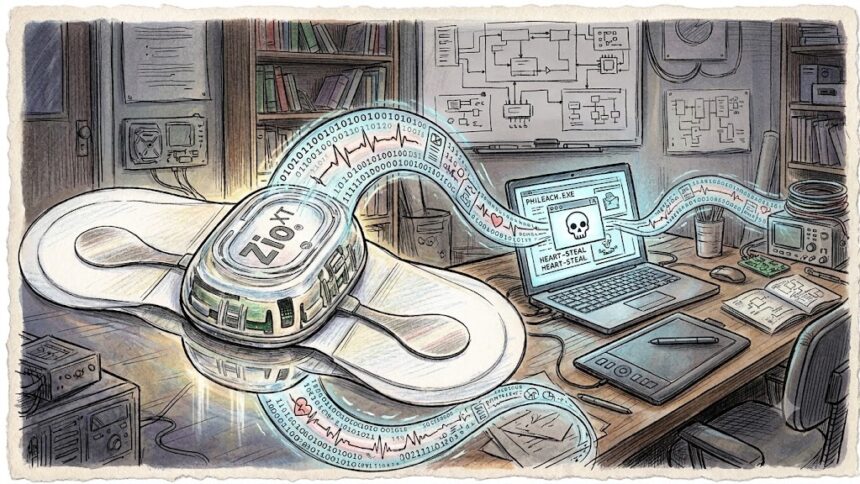
iRhythm Technologies, the manufacturer of the widely used Zio patch cardiac monitor, disclosed a cybersecurity incident in a June 8 SEC filing after detecting unauthorized activity on certain third party hosted business applications. The company immediately activated its incident response plan and engaged external forensic experts. The following day, a threat actor contacted the company claiming to have exfiltrated sensitive data, including proprietary business information and patient protected health information (PHI), and demanded payment to prevent public disclosure. By June 10, iRhythm determined the incident was material due to the volume of affected data, though it has not yet quantified the total number of individuals impacted.
Implications for Healthcare Organizations
While iRhythm has confirmed that its clinical systems, medical devices, and patient care operations were not affected, this breach highlights a critical vulnerability for healthcare providers: third party business application security. Health systems that prescribe or manage iRhythm devices should review their vendor risk management programs, particularly around administrative applications that process PHI. Hospital CISOs and compliance officers should verify that their contracts with iRhythm include breach notification obligations under HIPAA and that any shared data streams are properly segmented. The social engineering vector used in this attack underscores the need for enhanced phishing awareness training across all vendor partner ecosystems.
What This Means for Healthcare Security Teams
For hospital security teams, this incident serves as a reminder that breaches involving device manufacturers can have downstream regulatory consequences, even when clinical systems remain untouched. Healthcare organizations that have integrated iRhythm data into their EHR systems should conduct a rapid audit of any PHI that may have transited through the compromised third party applications. The incident also reinforces the importance of maintaining cyber insurance with specific coverage for vendor related breaches, as iRhythm has reported having such insurance. Moving forward, healthcare CISOs may want to require device vendors to provide SOC 2 Type II reports and evidence of regular third party penetration testing on business support applications.
Source: MassDevice