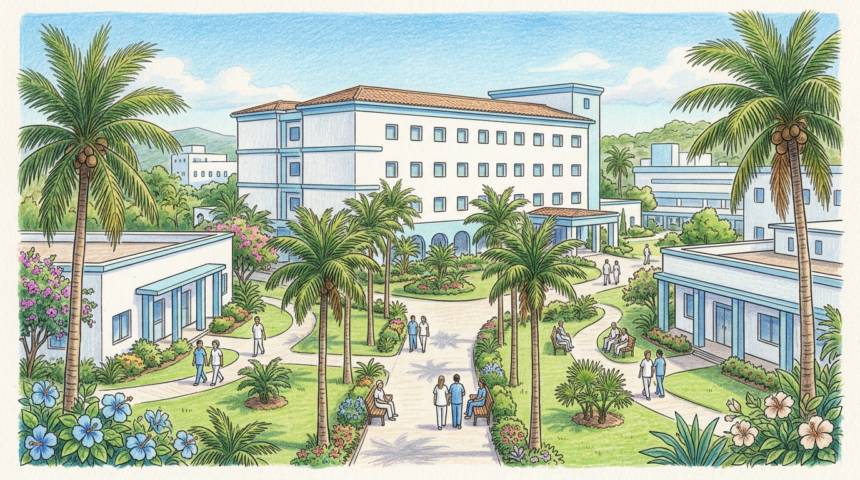
A Biofile analysis of IBM’s X-Force Index counts Colombia’s care providers as the victim in six out of every ten recorded intrusions.
The finding underlines how attractive medical records have become to criminals. A breach at a hospital can expose diagnoses, medications, test results and patient histories, material that fuels fraud, extortion and impersonation.
Operational risk matters just as much. An intrusion can force clinicians back to manual procedures, and in an emergency department a sudden loss of systems can carry direct consequences for patient safety.
The pattern has to be read against Bogota’s push for greater digital interoperability, which will pull more clinical data into connected platforms and widen the blast radius of any single compromise.
The threat is not unique to Colombia. Healthcare has ranked among the most-targeted sectors worldwide for years, and recent attacks on hospitals in Europe, Asia and the United States have shown how quickly an outage can cascade into cancelled appointments and diverted ambulances.
For Latin American providers, the practical lessons mirror those elsewhere: inventory internet-facing systems, enforce multi-factor authentication on remote access, and run tabletop exercises that include clinical leaders so downtime plans are tested before they are needed.