
The Rise of AI Impersonation
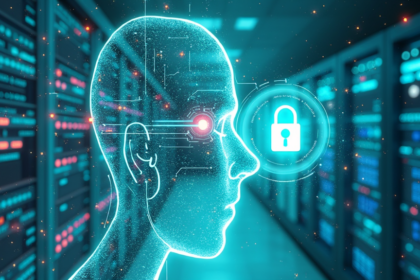
As organizations strengthen traditional system defenses, attackers are shifting their focus to the weakest link: identity. AI powered deepfakes and automated impersonation tools have become nearly indistinguishable from reality, making it impossible for humans to detect sophisticated fraud through observation alone. This is not a distant threat; it is an active crisis where crime as a service ecosystems enable attackers to scale identity based attacks against high risk workflows such as employee onboarding, privilege escalation requests, and credential recovery.
Why Your Workforce Is the Prime Target
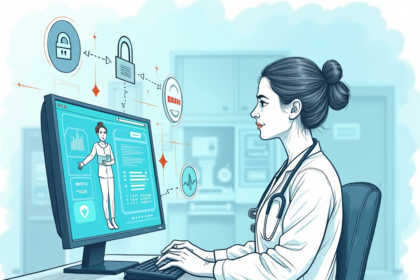
Security leaders now face a dual challenge: protect every identity across the workforce lifecycle without sacrificing speed or user experience. Legacy systems and manual verification processes are no longer sufficient. Attackers exploit moments of high trust, such as a new hire verifying their identity or an executive requesting urgent access, using AI generated audio and video to bypass traditional multi factor authentication. The result is a new arms race where the security perimeter is no longer the network but the person.
Building a Resilient Defense
Organizations must move beyond human judgment and adopt a multi tiered risk management approach. This includes implementing frameworks like NIST Special Publication 800 37 to define, assess, and continuously monitor identity related risks. By integrating AI driven detection tools that analyze behavioral anomalies and verifying identity through cryptographic means, enterprises can reduce the attack surface without compromising productivity. The key is to treat identity as the new perimeter and build defense strategies that are as adaptive as the threats they face.
Source: Healthcareinfosecurity