The Shift from Entry-Level Security Roles to AI
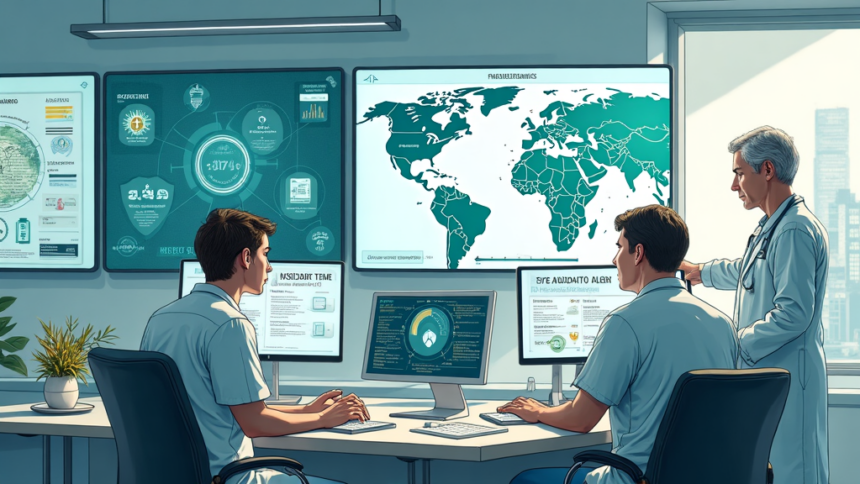
For years, the path to becoming a cybersecurity leader began with hands on work in security operations centers (SOCs) and incident response teams. These roles gave junior analysts exposure to real threats and taught them how to think critically under pressure. However, artificial intelligence is now automating many of these foundational tasks. Machine learning models can triage alerts, classify malware, and even initiate basic containment steps. While this boosts efficiency, it also removes the training ground where future CISOs and healthcare security directors once learned their craft.
This automation threatens to create a talent gap not at the entry level, but at the leadership level. If novice security professionals no longer perform tier one analysis or manual threat hunting, they may never develop the deep intuition and pattern recognition needed to lead a hospital security team. For healthcare organizations already struggling to recruit and retain cybersecurity talent, this trend could worsen an already critical shortage.
Implications for Hospital Security Teams
Healthcare systems rely on a steady pipeline of security leaders who understand the unique risks of clinical environments, from connected medical devices to electronic health records. Automating junior roles means that future leaders may lack firsthand experience with the messy realities of healthcare IT. They might not have spent hours analyzing a ransomware attack on a hospital network or troubleshooting an alert that falsely indicated a breach of patient data.
To address this, healthcare CISOs must rethink their training models. Rather than eliminating entry-level work, they should pair automation with structured mentorship programs. For example, AI can handle alert triage, but a junior analyst should review the AI’s decisions alongside a mentor and learn why certain alerts are escalated. This blended approach preserves the educational value of junior roles while benefiting from automation’s speed. Without such intentional design, the healthcare sector risks a leadership vacuum that could leave patient safety and PHI protection in the hands of leaders who never learned security fundamentals in the trenches.
Source: Healthcareinfosecurity