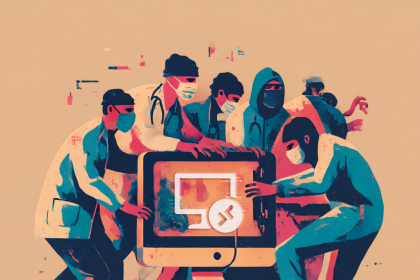

The Attack on Stryker’s Corporate Systems
In March 2026, medical technology manufacturer Stryker was hit by a sophisticated cyberattack attributed to the Iran-linked hacking group Handala. The incident, which began on March 11, involved the wiping of tens of thousands of corporate devices including laptops and mobile phones. While Stryker initially reported no signs of ransomware, forensic investigations later confirmed that a malicious file enabled the threat actors to execute commands and hide their activities within the company’s internal Microsoft environment.
Stryker rapidly activated its incident response plan, engaging Palo Alto Networks for forensic support and coordinating with the White House National Cyber Director, FBI, CISA, and HHS. By early April, most impacted systems had been recovered, though the company was still working to restore peak production capacity.
How the Disruption Reached Patient Care
Although Stryker stated that its connected medical devices and clinical technology were not directly breached, the attack on its corporate enterprise systems caused severe operational disruptions. Order processing, manufacturing coordination, and product shipping were all impaired. This supply chain breakdown had direct consequences for healthcare providers. Some hospitals were forced to delay surgeries and reschedule procedures because they could not receive patient specific implants and other Stryker products. In the UK, NHS England issued an official alert to trusts about the supply disruption and began collecting data to assess inventory levels and dependency on Stryker equipment.
The impact extended to emergency services. In Maryland, the LIFENET ECG transmission system, which emergency responders use to communicate with hospitals, became temporarily non functional for some users. Federal prosecutors noted that the attack had a direct effect on emergency medical services and hospitals in the state, prompting some facilities to temporarily sever connections to Stryker systems as a precaution.
What This Means for Healthcare Organizations
This incident serves as a critical wake up call for hospital CISOs and health system leaders. It demonstrates that a cyberattack on a medical technology manufacturer’s corporate IT environment can cascade into patient care disruptions even when clinical systems and patient data remain untouched. The attack highlights the operational risk embedded in healthcare supply chains, where dependency on a single vendor for surgical implants or diagnostic equipment creates a dangerous single point of failure.
Healthcare organizations should reassess their vendor concentration risk and develop robust contingency plans for supply chain cyber incidents. These plans should include maintaining emergency stockpiles of critical devices, identifying alternative suppliers for key products, and establishing clear communication protocols with manufacturers during a crisis. For hospital security teams, this event underscores the need to monitor not just direct threats to their own networks, but also the security posture of upstream medical device manufacturers that can indirectly halt patient care.
Source: Healthcare IT News