Clinical teams in Nebraska and Indiana spent the start of the week working around systems they no longer trusted, with one hospital diverting critical ambulance traffic and another telling patients to pick up the phone.
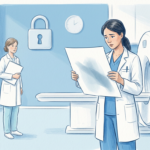
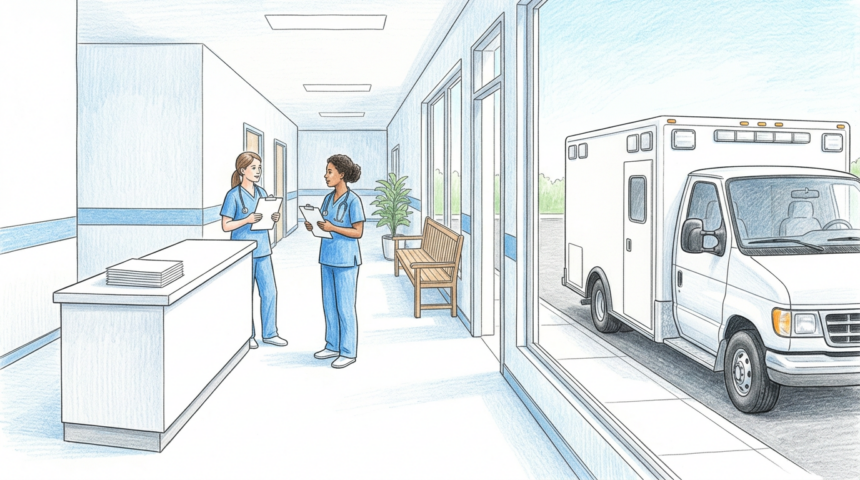
Community Medical Center in Falls City, Nebraska, took its network down after an intrusion hit over the October 17-18 weekend. Ambulances carrying critical patients were sent to other facilities after the hospital could not push diagnostic images to radiologists, staff reverted to pen and paper, and appointments slipped. The emergency room stayed open while a replacement network went in. Patient-data impact is unconfirmed and no gang has been publicly verified as responsible.
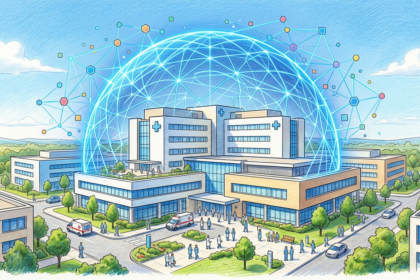
Roughly 300 miles east, Parkview Health disabled its entire network on October 19 after detecting suspicious activity at the Fort Wayne-based nonprofit, which runs 16 hospitals and more than 300 outpatient sites in Indiana and northwest Ohio. MyChart, provider search and appointment reminders went dark, and urgent cases were routed to clinics or told to call 911.
MyChart returned the following day, but billing and video visits stayed offline. Parkview said it had no indication patient data was compromised and has not described what triggered the response.
Both cases show where clinical resilience actually breaks. Imaging handoffs, scheduling and patient messaging fail long before anyone loses a record, and a rural hospital loses its only radiologist link fastest of all. What matters operationally is a tested printed fallback for image transfer and scheduling, plus an out-of-band channel for diversion decisions that survives the outage.