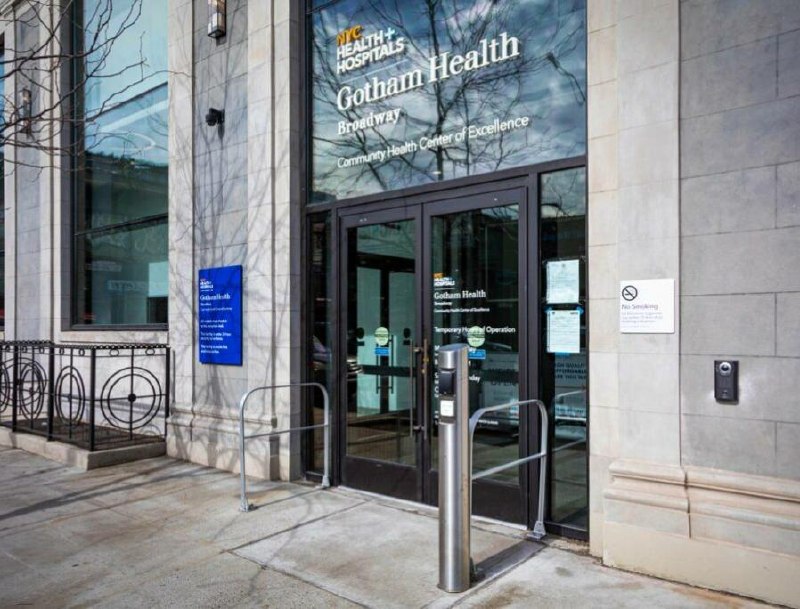
The healthcare sector continues to grapple with an evolving threat landscape, and the recent data breach impacting NYC Health + Hospitals (NYC H+H) serves as a stark reminder of escalating risks. This incident, affecting at least 1.8 million individuals, underscores critical vulnerabilities in supply chain security and introduces a uniquely challenging dimension with the compromise of biometric data.
## The Scope of Exposure: Beyond Standard PII
NYC H+H disclosed a significant security incident where an unauthorized actor accessed and exfiltrated a broad spectrum of highly sensitive patient and employee information. The compromised data set is alarmingly comprehensive, including not only medical records, diagnoses, government identification numbers, and financial details (like bank account numbers), but also geolocation data and, most critically, biometric identifiers such as fingerprints and palm prints. This extensive exposure elevates the potential for multifaceted identity theft, medical fraud, and financial fraud, posing long-term risks to affected individuals that extend far beyond typical data breaches.
## The Anatomy of the Attack: A Supply Chain Vulnerability
The breach, detected on February 2, 2026, revealed that attackers had maintained unauthorized access to parts of the NYC H+H system for approximately three months, from late November 2025. The root cause points to a compromise at an unnamed third-party vendor that had legitimate access to NYC H+H’s systems. This highlights a pervasive and often underestimated risk in healthcare: the extended digital supply chain. Organizations frequently grant vendors deep access to their networks and sensitive data to facilitate operations, creating potential weak points that threat actors readily exploit. The lack of immediate disclosure regarding the compromised vendor further complicates the assessment of systemic risk across the healthcare ecosystem.
## Irreversible Exposure: The Peril of Biometric Data in Healthcare
The exfiltration of biometric data—specifically fingerprints and palm prints—represents a particularly dangerous dimension of this breach. Unlike passwords or credit card numbers, which can be changed or canceled, biometric identifiers are immutable. Once compromised, a fingerprint or palm print is permanently exposed, leaving individuals vulnerable to sophisticated identity theft schemes that could bypass biometric authentication systems used in various contexts, potentially including future healthcare access or financial transactions. In a medical setting, where biometric data might be used for patient identification, access to controlled substances, or facility entry, the implications for security and trust are profound and long-lasting.
## Navigating Regulatory Waters: HIPAA and Breach Notification
NYC H+H formally reported the breach to the US Department of Health and Human Services (HHS) on March 24, 2026. Given the detection date of February 2, 2026, this notification falls within the 60-day requirement under HIPAA’s Breach Notification Rule. However, the sheer scale of 1.8 million affected individuals necessitates a meticulous and resource-intensive notification process, including direct mail to all impacted parties and potential media notification, depending on state laws. Healthcare CISOs and compliance officers must meticulously manage the notification timeline, content, and support services to meet regulatory obligations and mitigate patient distress and legal exposure.
## Mitigating Future Risks: Lessons for Healthcare Organizations
This incident provides critical lessons for healthcare organizations:
* Robust Vendor Risk Management: Implement rigorous due diligence, continuous monitoring, and contractual mandates for security controls and breach notification for all third-party vendors with access to sensitive data or systems.
* Advanced Data Classification and Access Control: Understand where all sensitive data, particularly biometric information, resides. Implement granular access controls and consider enhanced encryption for highly sensitive data at rest and in transit.
* Proactive Threat Hunting: Move beyond reactive security. Implement solutions and processes for continuous monitoring and threat hunting to detect and respond to unauthorized access much earlier than three months.
* Incident Response Preparedness: Regularly test and refine incident response plans, specifically addressing scenarios involving supply chain compromises and the unique challenges of biometric data exposure.
For healthcare organizations, understanding and mitigating these complex risks, especially those introduced by third parties and the irreversible nature of biometric data compromise, is paramount to protecting patient trust and ensuring long-term data security.
Source: cybersecuritybeat.com