Defining Protected Health Information in Healthcare Settings
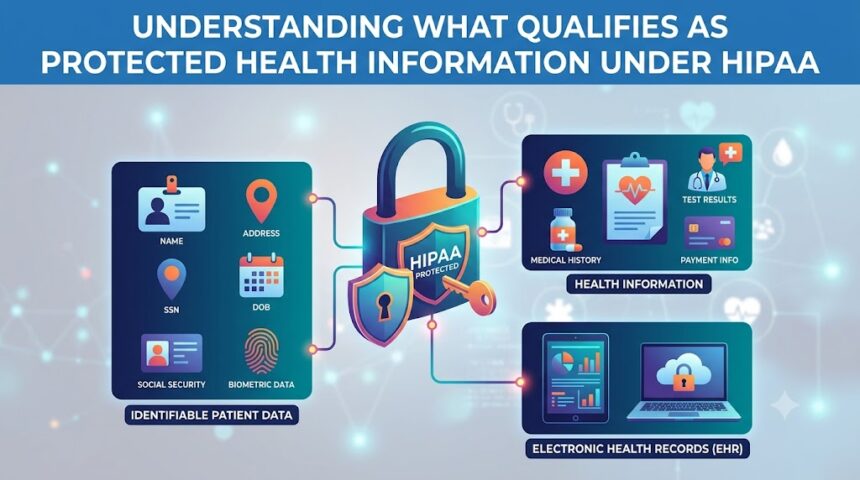
Protected Health Information, or PHI, refers to any individually identifiable health information held or transmitted by a covered entity or its business associate. This includes demographic data, medical history, test results, insurance information, and any other data that can be linked to a specific patient. Under HIPAA, PHI is protected when created, received, maintained, or transmitted in any form, including electronic records, paper files, or verbal communications.
Healthcare organizations must understand that PHI extends beyond obvious medical records. It includes billing information, appointment schedules, and even emails that contain patient names alongside health-related discussions. The key factor is identifiability. If information can be used to identify an individual and relates to their health condition, healthcare provision, or payment for healthcare services, it falls under HIPAA protection.
Implications for Hospital Security and Compliance Teams
For hospital CISOs and compliance officers, correctly identifying what constitutes PHI is the foundation of a strong security program. Misclassification of data can lead to inadequate protections, exposing healthcare organizations to data breaches and significant HIPAA penalties. Healthcare entities must implement policies to classify data at creation and apply appropriate safeguards, including encryption, access controls, and audit logging.
This understanding directly affects risk assessments, business associate agreements, and incident response plans. When a security event occurs, knowing whether PHI was involved determines reporting obligations under the HIPAA Breach Notification Rule. For clinical staff and health IT directors, training on what constitutes PHI is essential because everyday actions like sharing patient information via text message or email without proper safeguards can result in noncompliance. A health system’s SOC should monitor for any unauthorized access or transmission of data containing identifiable patient information, as this could indicate a breach requiring immediate action.
Source: Hipaajournal