How AI is Changing Vulnerability Discovery
Artificial intelligence is increasingly being integrated into bug bounty programs, helping security researchers automate the initial phases of vulnerability scanning and triage. In the healthcare sector, where the attack surface includes electronic health records, medical IoT devices, and patient portals, AI tools can rapidly sift through thousands of potential flaws. However, these systems still struggle with contextual nuance, particularly in understanding how a vulnerability might cascade through a complex clinical workflow or affect patient safety. The result is that AI serves as a powerful accelerator but not a replacement for human intuition.
Implications for Hospital Security Teams
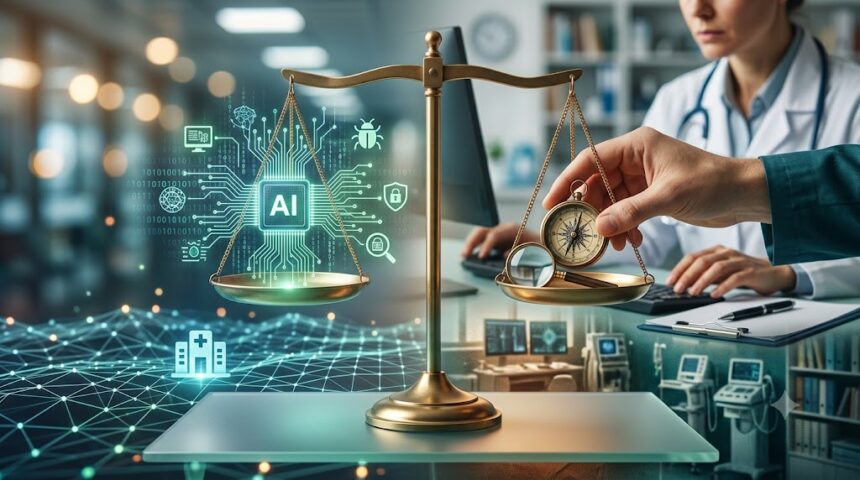
For hospital CISOs and medical device security engineers, the evolution of AI in bug bounties means their programs must be redesigned to leverage automation while preserving human oversight. A health system’s security operations center (SOC) might use AI to triage reports from external researchers, flagging those that involve protected health information (PHI) exposure or connected infusion pumps for immediate manual review. This hybrid model allows resource constrained teams to prioritize the vulnerabilities most likely to disrupt clinical operations or violate HIPAA compliance. The healthcare industry’s unique regulatory and patient safety requirements demand that human analysts remain central to validating findings before remediation.
What This Means for Healthcare Organizations
Healthcare organizations should update their bug bounty policies to explicitly account for AI assisted submissions, ensuring that researchers disclose which parts of their work leveraged automation. This transparency helps hospital teams assess the reliability of each report. Additionally, the growing role of AI in vulnerability research underscores the need for healthcare specific training for bounty hunters, covering topics like medical device communication protocols and the criticality of uptime in surgical systems. As AI reshapes the landscape, the most resilient healthcare programs will be those that blend machine speed with human clinical and regulatory expertise.
Source: Healthcareinfosecurity