Incident Overview
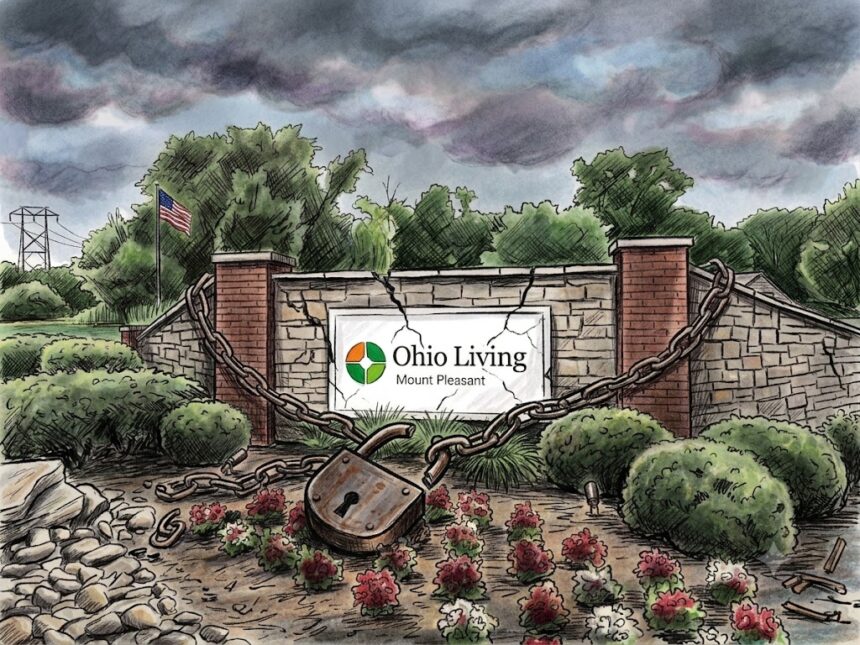
Ohio Living, a healthcare organization operating 11 residential communities across 43 counties, has confirmed a data breach involving current and former residents, patients, employees, and affiliated individuals. The breach was first detected on April 17, 2026, when unusual system activity was identified. Forensic investigation revealed that an unauthorized actor accessed and copied files from Ohio Living’s network between April 16 and April 17, 2026. The organization is still reviewing the full scope of compromised data, but the incident poses significant risks to patient privacy and operational integrity.
Impact on Patient Data and Operations
The exposed information includes both personal identifiers and protected health information (PHI). Personal data such as names, Social Security numbers, financial account details, and payment card information may have been accessed. Critically, the breach also exposed medical records, diagnostic and prescription history, disability information, treatment details, and health insurance subscriber numbers for patients and residents. For a healthcare provider managing long-term care and community health services, this breach threatens patient trust and could disrupt clinical workflows if identity theft or fraud follows. Health systems must consider how such exposures could compromise patient safety, especially if medical history or prescription data is altered or misused.
What This Means for Healthcare Security Teams
For hospital CISOs and compliance officers at similar organizations, this incident underscores the need for rapid detection and containment of unauthorized access. The two day window between intrusion and detection highlights gaps in real-time monitoring that should be addressed. Given the PHI involved, healthcare organizations must review their incident response plans for compliance with HIPAA breach notification rules, which require timely reporting to affected individuals and the Department of Health and Human Services. Additionally, affected entities should evaluate forensic capabilities to identify file exfiltration quickly, implement network segmentation to limit lateral movement, and strengthen access controls around patient records. The investigation into a potential class action lawsuit also signals the legal and financial implications of such breaches, emphasizing the need for robust cybersecurity governance in healthcare settings.
Source: ClassAction.org