Deception Technology and Predictive Analysis
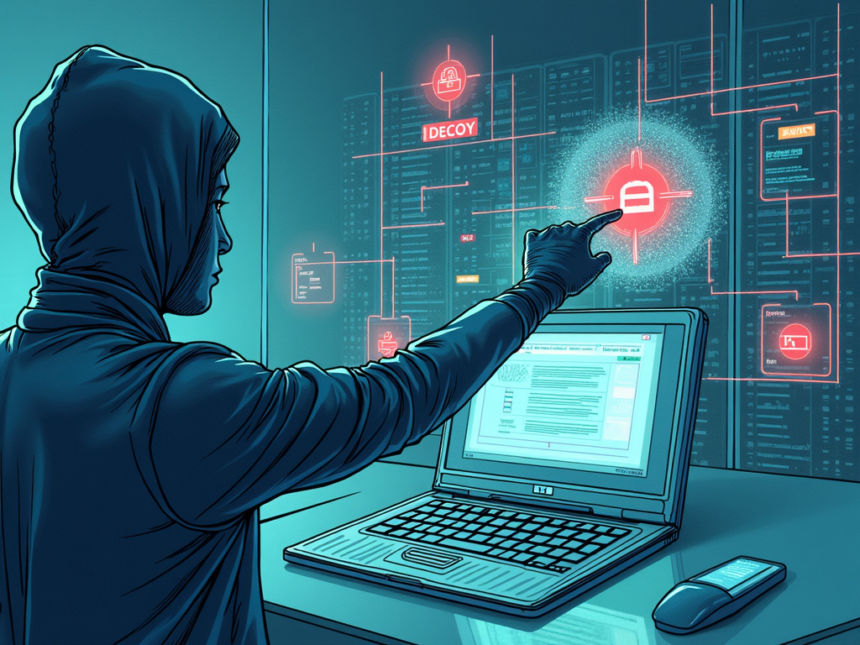
Healthcare organizations are increasingly turning to advanced cybersecurity techniques such as deception technology and predictive threat analysis to combat rising cyber risks. Troy Ament of Palo Alto Networks highlighted these methods alongside microsegmentation and automated response as key tools for improving healthcare security. Deception technology creates decoy assets within networks to mislead and trap attackers, while predictive analysis uses AI to anticipate threats before they materialize.
Impact on Healthcare Defenses
The adoption of these advanced strategies helps healthcare entities overcome the so-called cybersecurity poverty line, a term distinguishing organizations based on their financial and defensive capabilities. Mike Storm of Cisco emphasized that developing embedded security can help smaller healthcare providers rise above resource limitations. By leveraging automation and microsegmentation, hospitals can better isolate breaches and respond more rapidly to incidents, reducing the potential for patient data exposure.
Strategic Value for the Sector
These advanced methods are particularly valuable for identity-based attack prevention. Threat actors increasingly target Active Directory and identity systems in healthcare environments. Deception technology, combined with automated response, allows defenders to detect and disrupt attackers during lateral movement, even before a breach occurs. This proactive stance represents a significant shift from traditional reactive approaches, offering better protection for critical healthcare infrastructure.
Source: Healthcareinfosecurity