Deploying Deception Technology in Healthcare
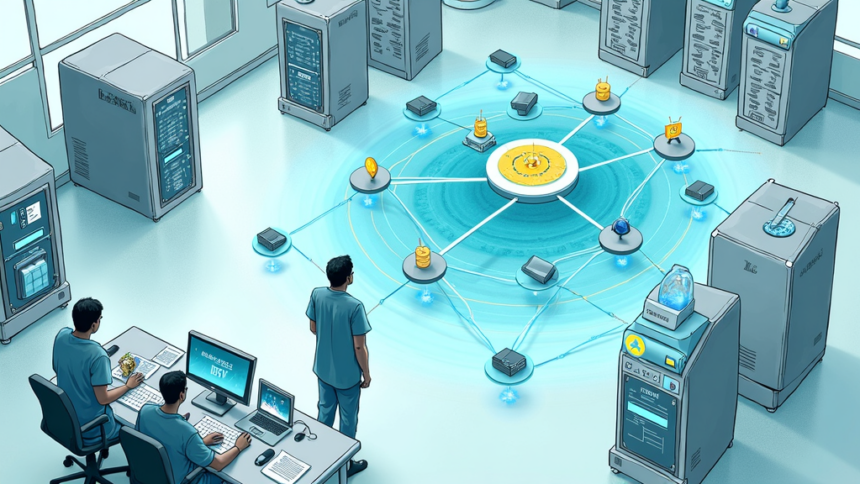
Advanced cybersecurity techniques such as artificial intelligence, predictive threat analysis, and deception technology are proving highly effective for healthcare organizations. Troy Ament of Palo Alto Networks highlights how these tools, combined with microsegmentation and automated response, can significantly strengthen security postures. Deception technology works by creating realistic decoys and traps within a network to mislead and delay attackers, allowing defenders to detect intrusions early and gather intelligence on adversary tactics.
Understanding the Cybersecurity Poverty Line
The concept of the “cybersecurity poverty line” distinguishes organizations as haves or have nots, not only financially but also in terms of defensive capabilities. Cisco’s Mike Storm discusses how healthcare entities can develop and leverage embedded security to rise above this line. Smaller hospitals and clinics, often targeted due to their limited resources, can benefit from deception techniques that do not require extensive budgets or high maturity levels to implement effectively.
Addressing Insider Threats and Identity Attacks
Insider threats have risen by 44% over the past two years, encompassing roles from temporary workers to IT administrators. Deception technology is particularly effective at halting threat actors at every stage of an attack, including pre breach and during lateral movement. With most enterprises relying on Active Directory as a central repository for accounts and systems, securing identity based attack surfaces is critical. Modern deception and network digital twins can accurately model cyberattack impacts, enabling better training and system hardening for each threat scenario.
Source: Healthcareinfosecurity