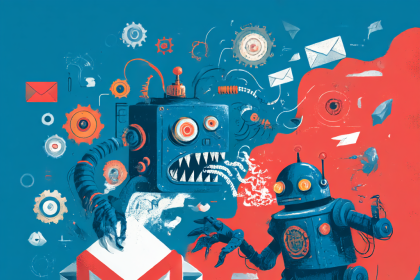

Evolution of Phishing Tactics
Phishing attacks have evolved far beyond simple spam emails. Cybercriminals now use artificial intelligence to craft highly personalized messages that bypass traditional email filters and exploit human psychology. Techniques include QR code phishing, which accounts for 25% of email based attacks, and advanced phishing kits like Astaroth that can bypass two factor authentication through session hijacking. These attacks target specific industries, with healthcare organizations particularly vulnerable due to legacy systems and limited budgets, while state aligned hackers conduct sophisticated spear phishing campaigns against semiconductor manufacturers.
Impact and Defense Strategies
The consequences of successful phishing attacks range from data breaches affecting hundreds of thousands of patients to regulatory fines exceeding half a million dollars. Financial institutions face particular challenges as one time passcodes become less reliable against account takeover schemes. Organizations are responding by integrating email security with broader platform signals, as demonstrated by Kaseya’s acquisition of Inky for enhanced threat detection. Human centric defense approaches combine technical controls like DMARC implementation with employee training programs that address the psychological manipulation tactics used in modern attacks.
Future Directions
With global cybersecurity spending projected to reach $135 billion by 2030, artificial intelligence plays a dual role both enabling attackers through tools like FraudGPT and empowering defenders through automated threat detection. The convergence of social engineering, cyber tactics, and psychological exploitation requires organizations to adopt comprehensive strategies that include supply chain security, API protection, and continuous monitoring. Experts emphasize that while AI does not create entirely new threats, it makes existing attack methods more precise and accessible to a wider range of actors.
Source: Healthcareinfosecurity