Deception Technology and Predictive Analysis
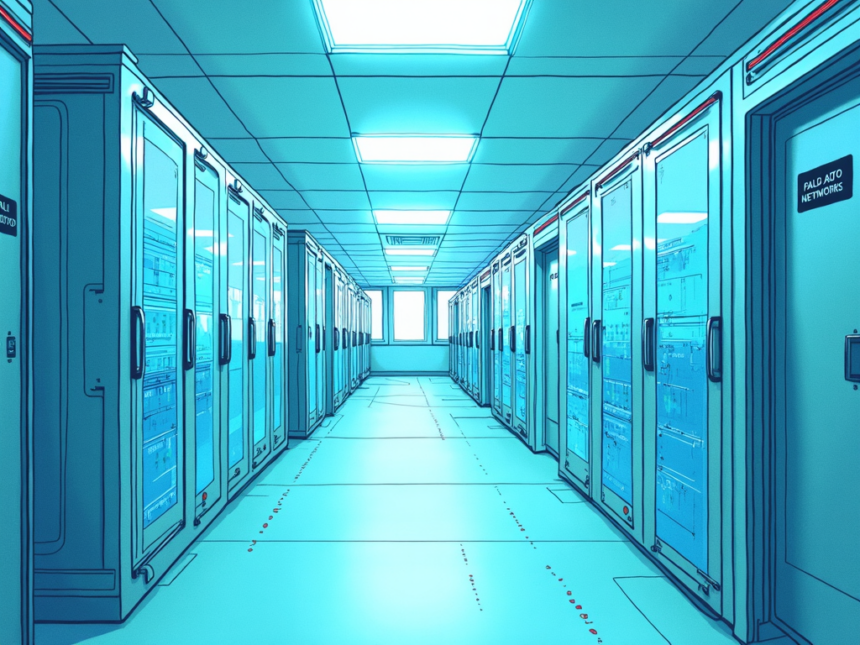
Healthcare organizations are increasingly turning to advanced cybersecurity techniques such as deception technology, AI driven predictive threat analysis, and microsegmentation to counter sophisticated attacks. Troy Ament of Palo Alto Networks highlights how these tools can identify and misdirect threat actors early, reducing the risk of data breaches and ransomware. By simulating realistic network assets and endpoints, deception technology lures attackers into isolated environments where their behaviors can be studied and blocked.
Impact on Healthcare Security Posture
These advanced defenses are critical for healthcare entities that manage sensitive patient data and rely on connected medical devices. Microsegmentation limits lateral movement after a breach, while automated response systems can isolate compromised systems in real time. The combination of predictive analytics and active defense helps organizations stay ahead of evolving threats, even when facing limited budgets or the so called cybersecurity poverty line described by Cisco’s Mike Storm.
Recommended Actions for Providers
Experts recommend that healthcare providers assess their current security maturity and consider integrating deception layers alongside traditional defenses. This includes deploying digital twin environments, training staff to recognize identity attacks, and collaborating with vendors like Palo Alto Networks for tailored solutions. By adopting a proactive stance, hospitals and clinics can protect critical infrastructure without disrupting care delivery.
Source: Healthcareinfosecurity