How AI Creates New Privacy Risks
Artificial intelligence tools are increasingly used in healthcare for tasks such as documentation, transcription, scheduling, and patient triage. Many of these tools require access to real patient data, often including protected health information (PHI). Even when staff believe data has been stripped of identifiers, AI systems can reidentify individuals by cross matching fragments like demographics, time stamps, and care patterns. Using unapproved platforms can trigger impermissible disclosures the moment a staff member enters patient details. Without proper agreements and safeguards, data can be used or shared in ways that violate HIPAA rules.
Training as a Critical Safeguard
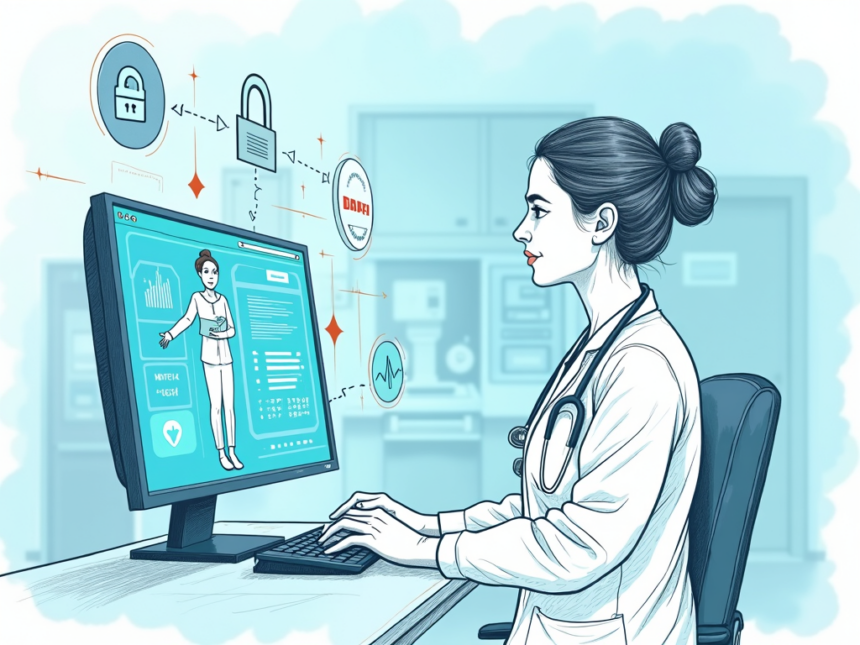
Targeted HIPAA training helps employees navigate these risks by teaching them to use only approved AI platforms with required safeguards. Staff learn when deidentification is truly needed, what data to remove beyond standard identifiers, and how to limit prompts to the minimum necessary information. Training also covers consent rules, state specific requirements, and the importance of validating AI outputs for factual errors and inappropriate disclosures. Employees are instructed to log significant AI interactions, check outputs before use, and escalate anomalies to technical teams. This combination of awareness and procedure reduces risk while allowing healthcare organizations to benefit from AI within a compliant framework.
Source: Hipaajournal