
MedRisk
  • Home
  • News
    NewsShow More
    Anthropic Tiers AI Access: Mythos for Top-Tier Security Vendors Only

    Anthropic restricts access to its most powerful Mythos Preview AI model to…

    May 6, 2026
    AI Security Demands Context Aware Controls and Runtime Visibility

    Enterprises racing to deploy AI agents face a perfect storm of non…

    May 6, 2026
    How AI is Reshaping Cloud Security Threats and Defenses

    Cloud attacks are accelerating with AI, but most enterprises lack the tools…

    May 6, 2026
    Third Party Cyber Risks Intensify Across Healthcare and Supply Chains

    New guidance from the Health Sector Coordinating Council addresses the explosion of…

    May 6, 2026
    AI Leaders Take Divergent Paths on Securing Software Vulnerabilities

    The outcome of competing AI security strategies from Anthropic and OpenAI could…

    May 5, 2026
  • Articles
    ArticlesShow More
    The Escalating Arms Race in Phishing Defense

    Phishing attacks have evolved from simple spam to AI crafted campaigns that…

    May 6, 2026
    The Battle Against AI Driven Identity Impersonation

    Organizations must shift from relying on human judgment to implementing automated identity…

    May 6, 2026
    Evolving SOC Operations: AI, Strategy, and the Path to Proactive Defense

    Security operations centers are leveraging AI to close visibility gaps and automate…

    May 6, 2026
    Deception Technology and Predictive Analysis: Fortifying Healthcare Defenses

    From predictive analysis to digital twins, these advanced methods help healthcare organizations…

    May 6, 2026
    The Impersonation Threat: Why Identity Verification Must Go Beyond Human Judgment

    AI powered impersonation attacks are becoming indistinguishable from reality, forcing organizations to…

    May 6, 2026
  • Features
    FeaturesShow More
    FTC Warns Tech Giants Against Weakening Encryption or Enabling Censorship

    The agency cautions leading U.S. tech companies that complying with foreign demands…

    May 4, 2026
    McLaren Health Care Confirms Ransomware Attack Affecting 740,000 Patients in Michigan

    The provider has disclosed a ransomware attack that compromised the personal and…

    May 4, 2026
    EU Allocates €145.5M to Boost Cybersecurity in Healthcare and SMEs, Launches Dual Funding Calls

    The European Commission is investing €145.5 million to strengthen cybersecurity across public…

    May 4, 2026
    US Congress Unveils Bipartisan Healthcare Cybersecurity Bill to Combat Rising Data Breaches

    US lawmakers have introduced the Healthcare Cybersecurity Bill to strengthen federal coordination…

    May 4, 2026
    Lawsuit Filed as Covenant Health Grapples with Cyber Attack Fallout

    Covenant Health is under legal fire after a cyberattack disrupted hospital operations…

    May 4, 2026
  • Spotlight
    SpotlightShow More
    Legacy Sitecore Flaw Exploited in Healthcare Environments to Deploy WeepSteel Malware

    Mandiant warns that outdated Sitecore configurations in healthcare systems could expose sensitive…

    May 4, 2026
    Three Healthcare Organizations Disclose Major Data Breaches Impacting Over 175,000 Patients

    Recent breaches at CPAP Medical Supplies, a Miracle Ear franchisee, and a…

    May 4, 2026
    Stealthy Prompt Injection in Images Lets Attackers Hijack AI Systems

    Researchers have discovered a method for hiding malicious instructions in images that…

    May 4, 2026
    Transparent Tribe Targets Indian Government With Malicious Desktop Shortcut Files

    The Pakistani-linked APT36 group has expanded its tactics by weaponizing Linux BOSS…

    May 4, 2026
    FTC Warns Tech Giants Against Weakening Encryption or Enabling Censorship

    The agency cautions leading U.S. tech companies that complying with foreign demands…

    May 4, 2026
  • About
    • Mission
    • Services
    • Contact
  • Alerts
  • AI Risk
  • Compliance & Legal
  • Cryptography
  • CVEs
  • Data Breaches
  • Malware
  • OT/ICS
  • Phishing
  • Privacy
  • Ransomware
  • Social Engineering
  • Startups
  • Threats
MedRiskMedRisk
Font ResizerAa
  • Home
  • News
  • Articles
  • Features
  • Spotlight
  • Events
Search
  • Quick Links
    • Home
    • News
    • Articles
    • Features
    • Spotlight
  • About MedRisk
    • Mission
    • Services
    • Contact
Have an existing account? Sign In
Follow US
© 2026 MedRisk. All Rights Reserved.
News

Fraudsters Shift Away from Passwords to Exploit Identity and Recovery Gaps

MRAdmin
Last updated: May 5, 2026 2:21 am
By
mradmin
Share
2 Min Read
SHARE

Exploiting Authentication Weaknesses

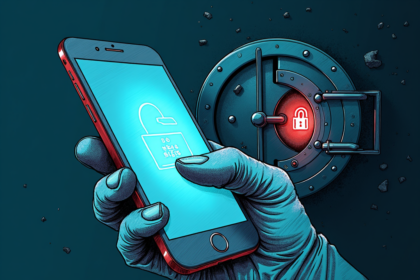
Account takeover fraud is accelerating as cybercriminals move beyond simply stealing passwords. Attackers now target identity verification gaps, account recovery workflows, and even the one-time passcodes sent via SMS that financial institutions have long relied on. SMS based authentication is becoming less reliable because fraudsters intercept or redirect these codes using social engineering, SIM swapping, or malware on mobile devices.

Contents
Exploiting Authentication WeaknessesNew Tactics in Financial FraudImpact and Prevention Challenges

New Tactics in Financial Fraud

Modern fraud operations combine automation, human manipulation, and AI driven tools to bypass traditional defenses. Instead of a single attack at login, fraudsters strike continuously across user sessions, transactions, and account changes. Banking Trojans like the Godfather malware have evolved further by cloning real mobile banking apps inside a virtual environment on infected phones, tricking users into entering credentials directly into a fake but identical interface. This allows attackers to drain accounts from within without triggering typical fraud alerts.

Impact and Prevention Challenges

Financial institutions face an expanding threat surface because authentication is no longer a one time checkpoint. The shift to digital only banking and remote interactions gives fraudsters more opportunities to exploit gaps between login, transaction approval, and account recovery. Banks are responding with stronger multi factor authentication, real time behavioral analytics, and tighter control over account recovery workflows, but the fast evolution of AI driven scams means no single defense is foolproof. Security experts recommend continuous session monitoring and layered authentication to stop attacks that unfold over time.

Source: Healthcareinfosecurity

TAGGED:Account TakeoverBanking TrojanCVE-2026-12345Financial FraudGodfather MalwareSMS Authentication
Share This Article
Email Copy Link Print
Previous Article Two Hospitals Face EMTALA Penalties for Turning Away Pregnant Patients
Next Article Deception Technology and Predictive Analysis Reshape Healthcare Defense Strategies
- Advertisement -

You May also Like

AlertsNews

Passwordstate Flaw Could Expose Critical Credentials of Healthcare Systems

May 4, 2026
News

OTP Exploitation Fueling a New Wave of Financial Account Takeovers

May 5, 2026
News

AI Training Gap Threatens HIPAA Compliance in Healthcare Workflows

May 5, 2026
AlertsArticles

Critical Docker Desktop Vulnerability Enables Host System Compromise via Malicious Containers

May 4, 2026
Show More
MedRisk

The latest in healthcare & medical technology risk
From breaking news to expert analysis, our coverage helps professionals stay informed, secure, and ahead of the threat curve.

X-twitter Youtube Linkedin

© 2026 MedRisk. All rights reserved. Privacy | Legal

Quick Links

  • News
  • Articles
  • Features
  • Spotlight
  • Events
  • Mission
  • Services
  • Contact
Welcome to Foxiz
Username or Email Address
Password

Lost your password?