The Rise of AI-Powered Phishing Attacks
Cybercriminals are increasingly leveraging artificial intelligence to craft highly personalized email attacks that bypass traditional security defenses. This shift has placed significant pressure on organizations as attackers target human psychology at scale, blending social engineering with technical exploits. AI-powered tools like FraudGPT and WormGPT have made sophisticated attacks more accessible to less skilled actors, with spear-phishing campaigns now targeting critical sectors including semiconductors, healthcare, and financial services.
Emerging Threats to Authentication and Data Security
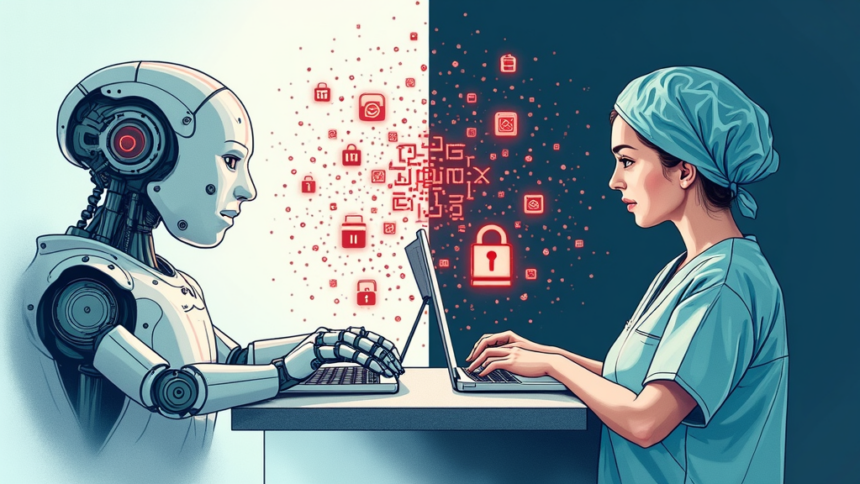
Traditional authentication methods are becoming less reliable as fraudsters exploit weaknesses in SMS based verification and one-time passcodes. New phishing kits like Astaroth can bypass two-factor authentication through real time session hijacking and credential interception from major email services. A particularly concerning trend is the proliferation of QR code phishing, which now accounts for approximately 25% of all email phishing attacks by exploiting the tendency of users to scan codes without verification.
Impact on Healthcare and Regulatory Consequences
Healthcare organizations face unique challenges with supply chain vulnerabilities, legacy systems, and limited budgets leaving them exposed to ransomware and socially engineered attacks. The consequences are significant, as demonstrated by a recent case where a single employee email compromise lasting only one hour exposed protected health information of nearly 150,000 individuals. Regulatory enforcement remains active, with one healthcare network agreeing to pay $600,000 to federal regulators for HIPAA violations stemming from a 2019 phishing breach, highlighting the need for comprehensive email security strategies.
Source: Healthcareinfosecurity