The New Identity Perimeter in Healthcare
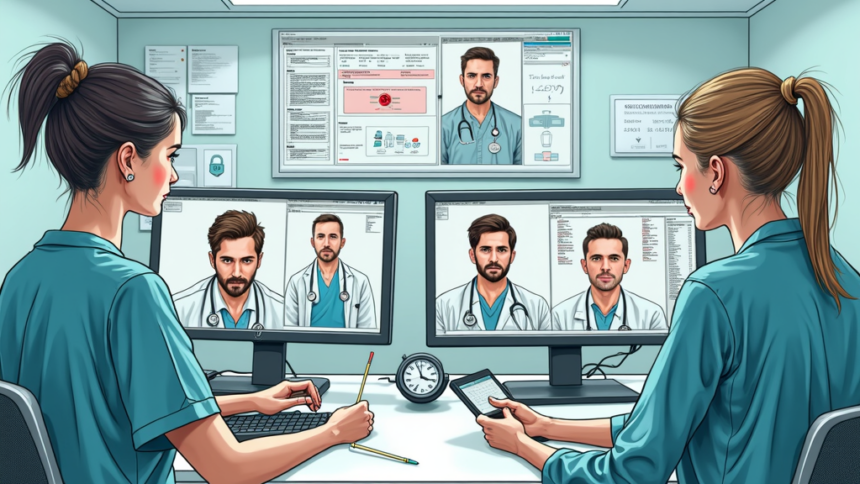
As healthcare organizations accelerate their digital transformation, the traditional security perimeter has dissolved, replaced by a complex web of digital identities. For hospitals and health systems, every clinician, administrator, and vendor now represents a potential entry point for attackers. The rise of AI-powered impersonation, where deepfakes and synthetic voices can perfectly mimic a trusted colleague or executive, has turned identity verification into a critical patient safety issue. A CISO at a major medical center can no longer rely on a familiar voice on the phone or a hurried email request for access to ePHI. These attacks are increasingly automated, fueled by crime as a service ecosystems that target high risk moments: new employee onboarding, urgent privilege escalation requests, or recovery of compromised credentials.
Implications for Hospital Security Teams
For healthcare organizations, the stakes extend beyond data breaches to direct patient harm. An impersonated request could lead to medication order tampering, unauthorized access to infusion pumps, or rerouting of ambulance dispatch data. Security leaders must implement multi factored authentication that is frictionless enough for busy clinicians yet resilient against deepfake attacks. This means integrating behavioral biometrics, device trust signals, and real time verification protocols into EHR systems and medical device interfaces. The NIST Risk Management Framework (SP 800-37), as taught by Ron Ross, provides the governance structure to assess these emerging threats and deploy compensating controls that protect both PHI and patient safety.
What This Means for Healthcare Compliance
Regulatory pressure is mounting. HIPAA security rule updates and FDA premarket guidance for medical device cybersecurity now explicitly consider AI enhanced threats. Healthcare organizations must update their risk assessments to account for synthetic identity attacks, especially during vendor remote access sessions or telemedicine encounters. Failure to adapt not only risks a data breach but also Joint Commission accreditation findings or CMS penalties. The arms race between identity defenders and AI powered impersonators is here, and for healthcare, the cost of losing is measured in lives, not just dollars.
Source: Healthcareinfosecurity