The Shrinking Vulnerability Window and Its Impact on Healthcare IT
AI driven attacks are compressing the time between a vulnerability disclosure and its active exploitation from weeks to hours. For healthcare organizations, where legacy systems and medical devices often run on outdated software, this acceleration poses a direct risk to patient data and clinical operations. Security teams at hospitals and health systems face the dual challenge of protecting electronic health records and connected medical devices while grappling with staff shortages and tool sprawl. The traditional patch cycle, which can take weeks in a clinical environment to avoid disrupting patient care, is no longer viable against adversaries that move at machine speed.
Implications for Hospital Security Operations
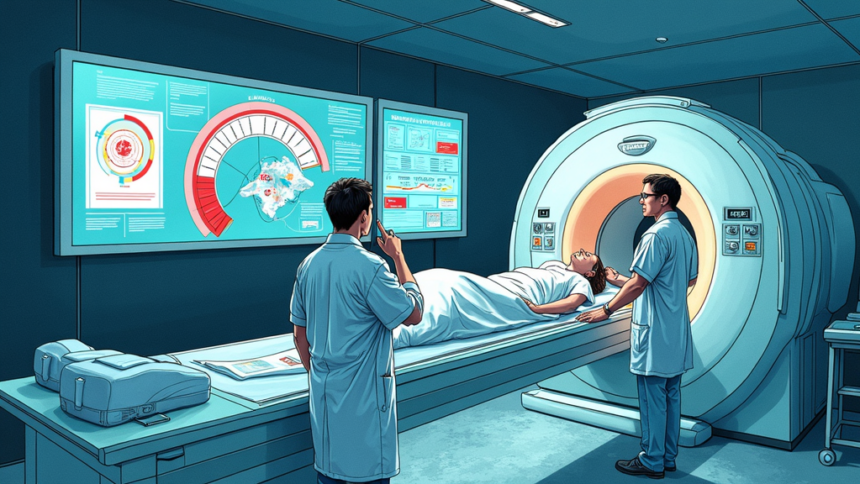
Security operations centers in healthcare must adapt by integrating real time threat intelligence and automating remediation workflows. An MDR service can help bridge the gap, providing 24/7 monitoring that alerts clinicians and IT staff to active threats targeting PHI or disrupting EHR access. Maintaining human oversight for high stakes decisions, such as isolating a compromised MRI machine or pausing a telemedicine platform, remains critical. Healthcare CISOs should align security and clinical engineering teams to ensure that automated responses do not inadvertently impact patient safety, while using AI to triage the thousands of daily alerts that would otherwise overwhelm a small hospital SOC.
What This Means for Healthcare Organizations
For healthcare providers, the convergence of AI driven threats and operational pressure means that traditional security operations models are no longer sufficient. Adopting managed detection and response services that specialize in healthcare environments can help organizations comply with HIPAA and HITECH requirements while reducing dwell time for attackers inside medical networks. The key takeaway for hospital leaders is that speed matters: every hour of delayed detection increases the risk of a breach that could compromise patient privacy or disrupt critical care.
Source: Healthcareinfosecurity