The Acceleration of Cloud Threats
The cloud attack landscape has shifted dramatically, with adversaries moving from initial access to data exfiltration at unprecedented speeds. Software supply chain attacks are on the rise, as seen in recent incidents involving malicious packages in open source repositories and backdoors embedded in widely used libraries. These breaches do not just impact security and IT teams; they reverberate across the entire business and its customer base. To counter this, organizations must understand and break the kill chain before attackers can achieve their objectives.
The AI Security Gap
Many security teams are still struggling to find their footing with artificial intelligence. New large language models and AI infrastructure have proliferated across IT environments, and the emergence of AI agents and semi-autonomous workflows has added further complexity. A recent survey by Palo Alto Networks across 2,800 respondents in 10 countries found that AI tools are reshaping cloud environments faster than organizations can secure them. Delinea CEO Art Gilliland warns that relaxed governance and invisible AI agents are creating serious enterprise risk, as most enterprises lack the tools to discover or control these new assets.
Addressing Non-Human Identity Risks
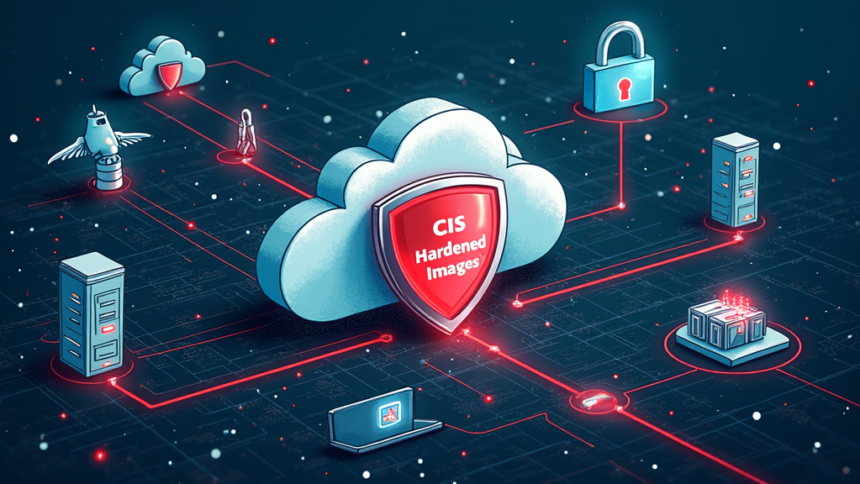
Highly regulated industries are facing mounting pressure to secure a growing landscape of non-human identities, including service accounts, bots, robotic process automation tools, and AI agents. These identities often outnumber human users by 45 to 1, yet 75% lack proper oversight. As organizations migrate systems to the cloud, maintaining secure configurations after deployment remains a persistent challenge. Misconfigurations, unclear shared responsibility boundaries, and configuration drift continue to elevate risk. Adopting proactive, real-time credential security strategies and leveraging frameworks like CIS Hardened Images can help organizations strengthen compliance and reduce exposure.
Source: Healthcareinfosecurity