The Shift to Identity as the Perimeter
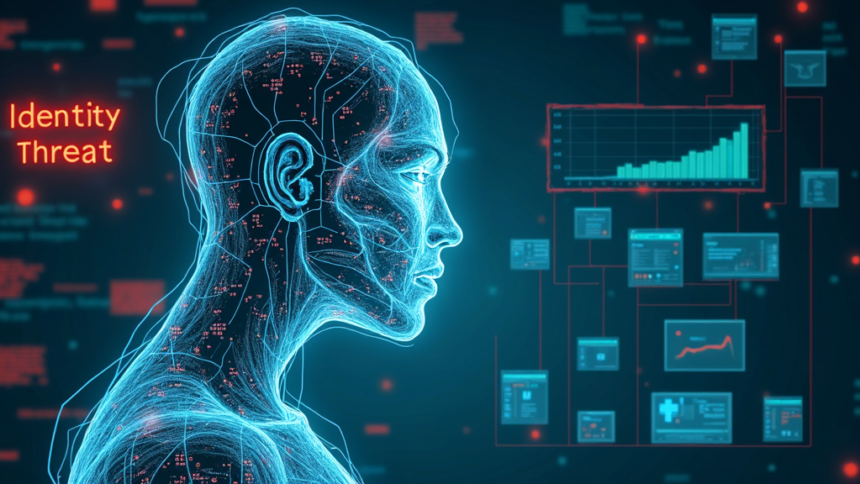
As traditional network perimeters dissolve, identity has become the primary attack surface. Cybercriminals no longer need to breach firewalls; they simply impersonate legitimate users. AI powered deepfakes, voice cloning, and automated social engineering have made impersonation attacks indistinguishable from reality for human observers. Organizations can no longer rely on manual verification or legacy authentication systems to protect sensitive data and systems.
High Risk Workflows Under Attack
The most vulnerable moments occur during the workforce lifecycle: onboarding new employees, processing access requests, escalating privileges, and recovering compromised credentials. These workflows are increasingly targeted by automated attacks fueled by crime as a service ecosystems. Security leaders must protect every identity across these high risk moments without sacrificing speed or user experience. For healthcare organizations, where patient data and critical medical systems are at stake, the consequences of a successful impersonation attack can be devastating.
Building a Modern Defense
To counter this evolving threat, organizations should adopt a risk management approach built on governance, processes, and information systems. Implementing frameworks like the NIST Risk Management Framework helps define risks, select appropriate controls, and continuously monitor for anomalies. However, technology alone is not enough. Workforces must be trained to recognize sophisticated impersonation attempts, and security teams must deploy automated identity verification tools that can detect deepfakes and anomalies faster than any human could.
Source: Healthcareinfosecurity