Enhancing Healthcare Security with Deception Technology
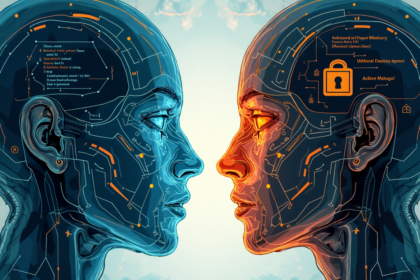
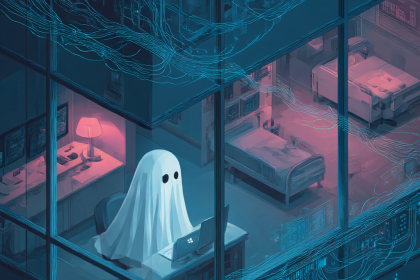
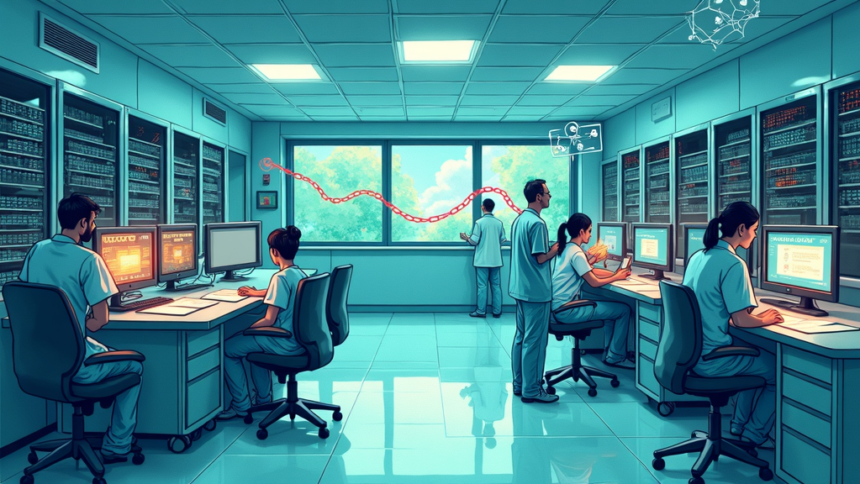
Healthcare organizations face increasingly sophisticated identity based attacks, making advanced defenses a necessity. Deception technology creates realistic decoys such as fake servers, credentials, and data to lure attackers away from real assets. This approach not only detects threats early but also wastes adversaries’ time and resources, buying critical response windows for security teams.
AI and Predictive Analytics in Cyber Defense
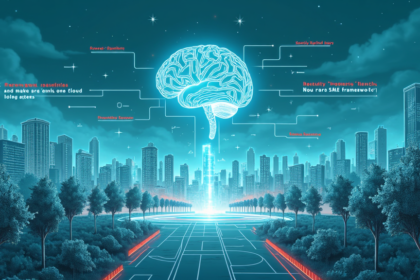
Artificial intelligence and predictive threat analysis play a vital role in modern cybersecurity. By analyzing patterns of behavior, AI can identify anomalies that signal an impending attack, allowing organizations to take preemptive action. Combined with microsegmentation and automated response, these technologies help healthcare entities stay ahead of evolving threats, especially those targeting identity management systems.
Impact on Addressing the Cybersecurity Poverty Line
Many healthcare providers operate under constrained budgets, a situation often called the cybersecurity poverty line. Deception technology offers a cost effective way to boost defenses without massive infrastructure overhauls. Even smaller organizations can deploy strategic decoys to detect insider threats and external attackers, leveling the playing field against well funded adversaries. As the threat landscape grows, such active defense strategies become essential for protecting patient data and critical care systems.
Source: Healthcareinfosecurity