The Acceleration of Cloud Attacks
The cloud threat landscape is evolving at an alarming pace, with attackers moving from initial access to data exfiltration in increasingly compressed timeframes. Software supply chain attacks have surged, as demonstrated by recent incidents involving malicious packages in open source repositories and backdoors embedded in widely used libraries. These breaches do not stop at IT teams but cascade through the broader business, affecting customers and operational stability. Organizations must now break the kill chain faster than ever before to prevent catastrophic damage.
The AI Security Gap
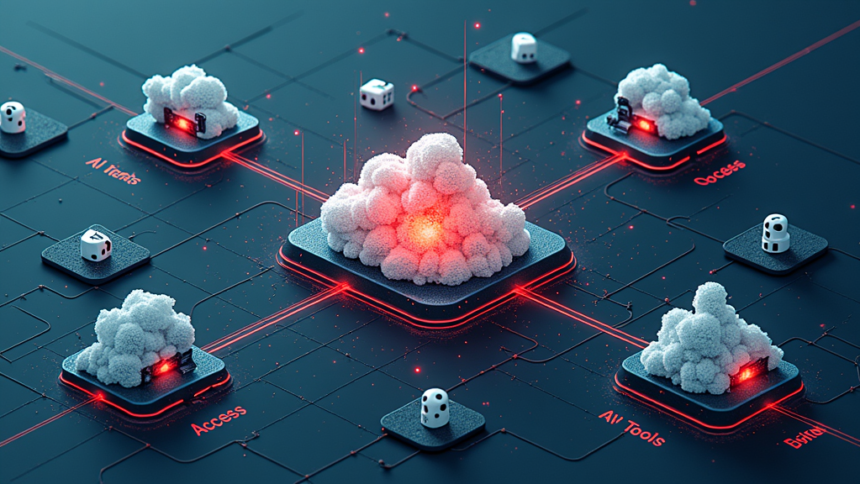
Most security teams remain uncertain about how to begin securing artificial intelligence. New large language models and AI infrastructure have proliferated across IT environments, and the rise of AI agents and semi-autonomous workflows introduces additional complexity and unpredictability. Delinea CEO Art Gilliland warns that relaxed governance and invisible AI agents are creating serious enterprise risk. Credential based attacks are also being supercharged by AI, with phishing and exploitation tactics growing more sophisticated. Dashlane CEO John Bennett notes that passwords persist as a dangerous vulnerability, urging organizations to shift toward proactive, real time credential security strategies.
The Rise of Non-Human Identities
Highly regulated industries face mounting pressure to secure a growing landscape of non-human identities, including service accounts, bots, robotic process automation tools, and AI agents accessing sensitive data across healthcare, financial, and manufacturing systems. These identities often outnumber human users by a ratio of 45 to 1, yet 75 percent lack designated oversight. As organizations move from blocking AI to building with it, they are effectively onboarding a new class of digital colleagues that operate at machine speed. Maintaining secure configurations in the cloud remains a persistent challenge, as misconfigurations, unclear shared responsibility boundaries, and configuration drift continue to amplify risk across environments.
Source: Healthcareinfosecurity