The Rise of AI-Powered and Targeted Phishing
Phishing attacks have evolved significantly beyond simple deceptive emails, now leveraging artificial intelligence to create highly tailored and convincing campaigns. Cybercriminals use AI to craft personalized messages that bypass traditional defenses, targeting specific individuals within organizations. This shift to targeted email compromise has placed immense pressure on businesses, as attackers exploit human psychology at scale by blending social, cyber, and psychological tactics to trigger emotion, trust, and urgency.
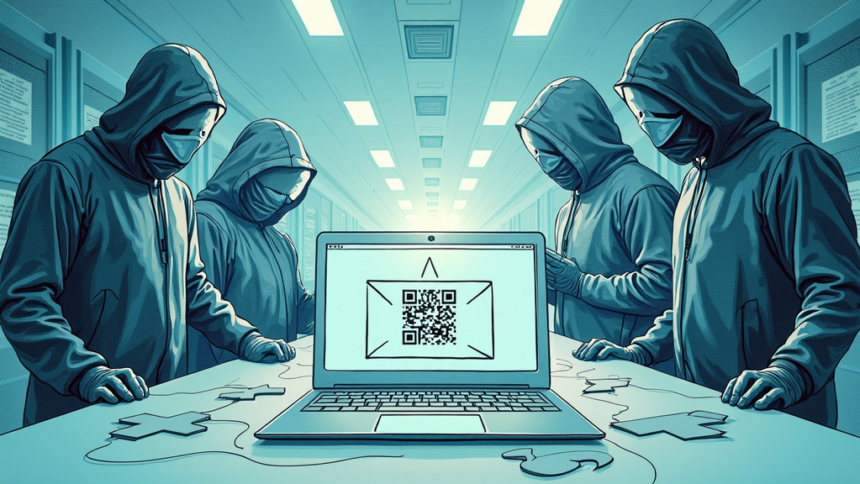
The sophistication of these attacks is further demonstrated by new phishing kits such as Astaroth, which bypass two-factor authentication through session hijacking and real-time credential interception from major services like Gmail and Microsoft 365. Acting as a man-in-the-middle, this kit captures login credentials, tokens, and session cookies in real time. Additionally, a staggering 25% of all email phishing attacks now exploit QR codes, preying on users who scan first and ask questions later, creating a perfect storm of vulnerability across organizations.
Impact Across Healthcare and Critical Industries
The healthcare industry feels the constant pressure of these evolving cyberattacks more than most. Supply chain vulnerabilities, legacy systems, and limited budgets have left healthcare providers exposed to ransomware, malware, and socially engineered phishing attacks. A recent example includes a Florida medication therapy management firm notifying nearly 150,000 individuals that their information was potentially compromised in a phishing attack affecting one employee’s email account for only about an hour. A regional healthcare network in California also agreed to pay federal regulators $600,000 to resolve potential HIPAA violations stemming from a 2019 phishing breach.
Beyond healthcare, financial institutions face the erosion of traditional authentication methods like one-time passcodes (OTPs), as fraudsters increasingly exploit SMS-based verification weaknesses for account takeover and payment fraud. Chinese state-aligned hackers have also ramped up espionage efforts against Taiwan’s semiconductor ecosystem through spear-phishing campaigns targeting chipmakers, equipment suppliers, and financial analysts. These incidents highlight that AI is not creating entirely new cyberthreats but is making existing attacks more precise and accessible to less skilled actors through tools like FraudGPT and WormGPT.
Source: Healthcareinfosecurity