The Role of Deception in Defense
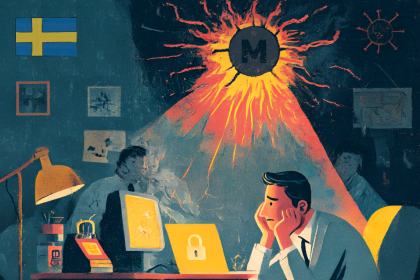
Healthcare organizations face increasingly sophisticated threats, particularly those targeting identity systems. Deception technology offers a proactive approach by deploying decoys and traps that mimic real assets. When attackers engage these lures, defenders gain early warning and intelligence without risking actual patient data or operational systems. This strategy, which includes techniques like honeypots and fake credentials, can halt adversaries at multiple stages of an attack, from reconnaissance to lateral movement.
Integrating AI for Faster Validation
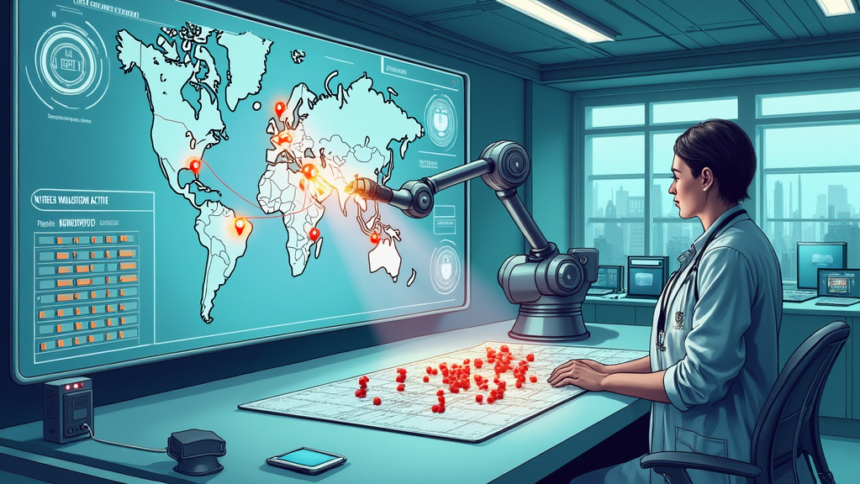
Artificial intelligence and machine learning are accelerating vulnerability discovery, but speed alone can generate overwhelming noise. Without proper validation, security teams waste resources on false positives. Combining AI with predictive threat analysis and deception helps prioritize the risks that truly matter. Tools like microsegmentation and automated response further reduce the attack surface, allowing healthcare entities to focus on fixing critical exposures first.
Impact on Healthcare and Critical Infrastructure
The updated cyber strategy from the Department of Defense emphasizes disrupting malicious actors and strengthening defensive operations across critical infrastructure, including healthcare. As threats such as ransomware and insider attacks rise, deception technology becomes a viable option even for organizations with limited budgets. By embedding these advanced techniques, healthcare providers can move beyond the cybersecurity poverty line and build resilient defenses against both external and internal adversaries.
Source: Healthcareinfosecurity