The Role of Deception in Modern Cyber Defense
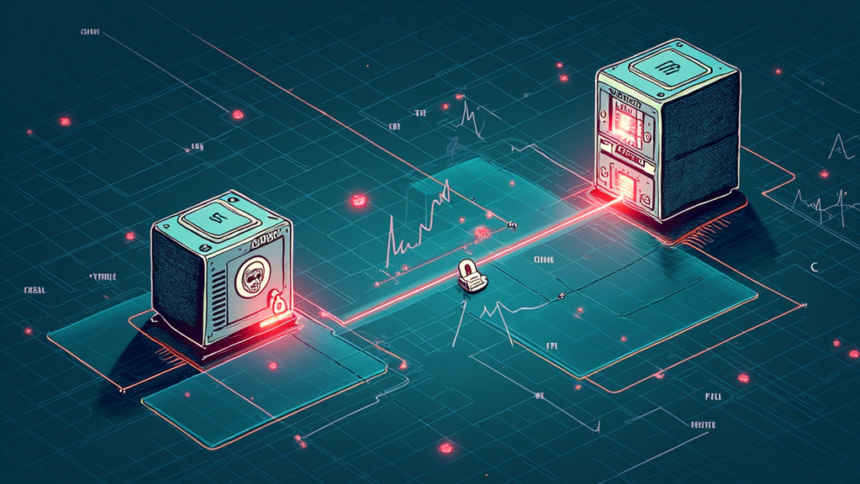
Deception technology is emerging as a powerful strategy for healthcare organizations seeking to stay ahead of sophisticated threat actors. Instead of only building higher walls, deception involves luring attackers into carefully designed traps within the network. These decoys, which mimic real systems and data, can detect intrusions early and divert adversaries away from actual clinical or administrative assets. This approach is particularly effective against insider threats and identity based attacks, which have seen a significant rise across the healthcare sector.
Integrating Advanced Techniques for Greater Impact
To maximize the benefits of deception, healthcare entities are combining it with other advanced techniques like microsegmentation and automated incident response. Microsegmentation helps contain a breach by limiting lateral movement, while deception can provide early alerts that trigger an automated response. Predictive threat analysis powered by AI further enhances this strategy by identifying attack patterns before they fully develop. Together, these methods allow organizations to validate which threats are truly critical and prioritize remediation, moving beyond the noise of countless unconfirmed alerts.
Addressing the Cybersecurity Poverty Line
While some view deception technology as a tool only for highly mature organizations, it can offer security benefits to entities of nearly any size. Many smaller healthcare providers, however, operate below the cybersecurity poverty line, lacking the financial and personnel resources for robust defense. For these organizations, embedded security features in existing platforms can help bridge the gap. By integrating deception as a part of a broader, layered strategy, even resource constrained clinics can improve their ability to detect and respond to threats without requiring large dedicated security teams.
Source: Healthcareinfosecurity