The Growing Threat from AI-Driven Cloud Attacks
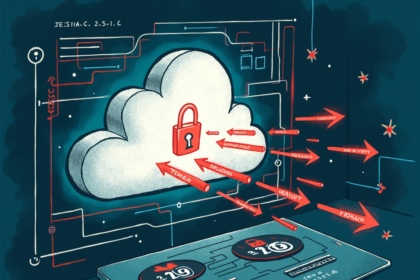
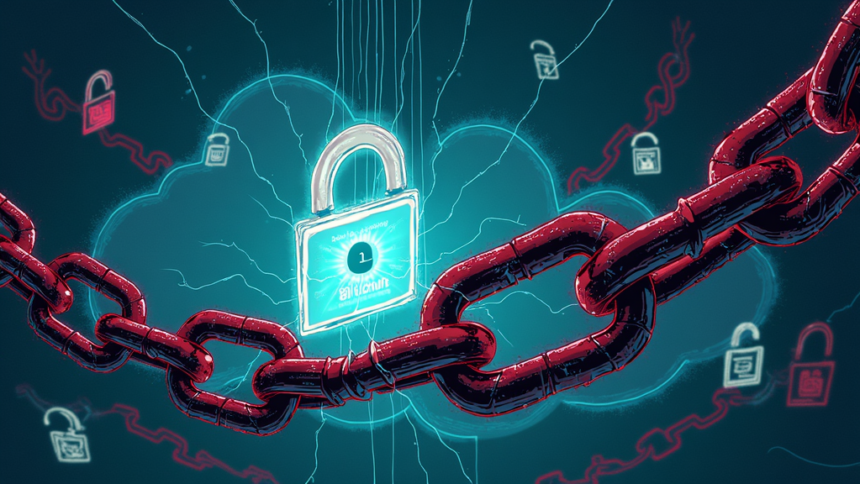
The cloud security landscape is rapidly changing as attackers leverage artificial intelligence to accelerate their operations. The speed from initial access to data exfiltration has become alarmingly fast, putting organizations at risk of severe breaches. Recent incidents involving malicious packages in open source repositories and backdoors in popular libraries highlight the increasing frequency of software supply chain attacks. These threats extend beyond IT teams, impacting the broader business and its customers.
Addressing the AI Security Gap in Enterprise Cloud Strategy
Most security teams are still determining how to begin securing AI. New large language models and AI infrastructure have proliferated across IT environments, and the emergence of AI agents and semi-autonomous workflows has added another layer of complexity. Enterprises claim they are ready to secure AI, but many lack the tools to find or control it. Delinea CEO Art Gilliland warns that relaxed governance and invisible AI agents are creating serious enterprise risk. As organizations transition from blocking AI to building with it, they are effectively onboarding a new class of digital colleagues that operate with speed. Goldman Sachs estimates that agentic AI could account for 60% of the software market.
Mitigating Credential Attacks and Non-Human Identity Risks
Credential-based attacks continue to drive breaches as AI enhances phishing and exploitation tactics. Passwords persist as a significant risk, and organizations must shift toward proactive, real-time credential security strategies. Highly regulated industries face mounting pressure to secure non-human identities, including service accounts, bots, RPA tools, and AI agents, which often outnumber human users by 45 to 1. Yet 75% of these identities lack designated oversight. Palo Alto Networks’ State of Cloud Security research report found that AI tools are reshaping cloud environments faster than organizations can secure them. Their survey across 10 countries and 2,800 respondents captured a glimpse of a rapidly changing threat landscape. Maintaining secure configurations after cloud migration remains a persistent challenge due to misconfigurations, unclear shared responsibility boundaries, and configuration drift.
Source: Healthcareinfosecurity