
Core Concepts of Active Defense
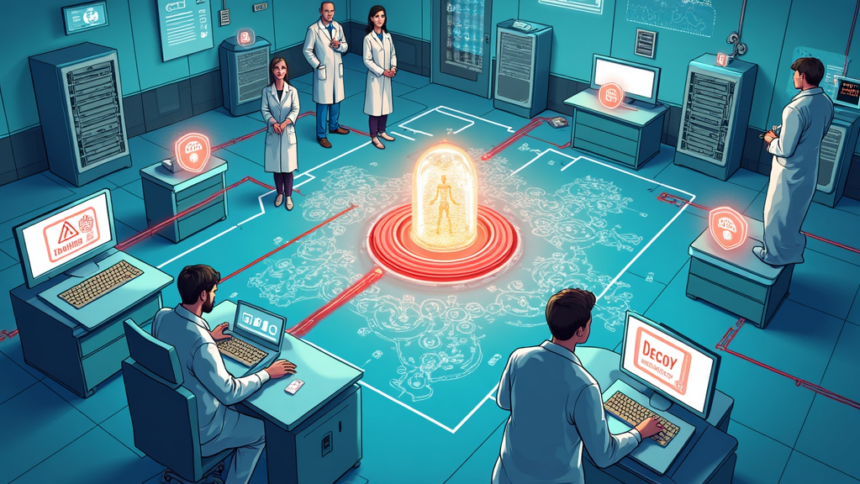
Active defense strategies shift the mindset from purely reactive protections to proactive engagement with threat actors. Instead of waiting for a breach, organizations set digital traps, deploy decoys, and use deception technology to misdirect attackers. For healthcare entities, where patient data is both sensitive and high value, these techniques can detect intrusions early, waste an adversary’s time, and reveal their methods before critical systems are compromised. Technologies like predictive threat analysis and microsegmentation further isolate threats, limiting lateral movement within a network.
Impact and Scope Across Sectors
The benefits of active defense extend well beyond healthcare. Government agencies, including the Department of Defense, now emphasize disrupting malicious actors and hardening critical infrastructure against state sponsored threats. Meanwhile, enterprises face a 44% rise in insider threats, making deception tools vital for monitoring both external hackers and internal risks. From financial services battling a surge in ransomware to aerospace programs securing complex supply chains, embedding deception into cybersecurity frameworks helps organizations of all sizes fight attacks at every stage, from pre breach reconnaissance to post breach lateral movement.
Source: Healthcareinfosecurity