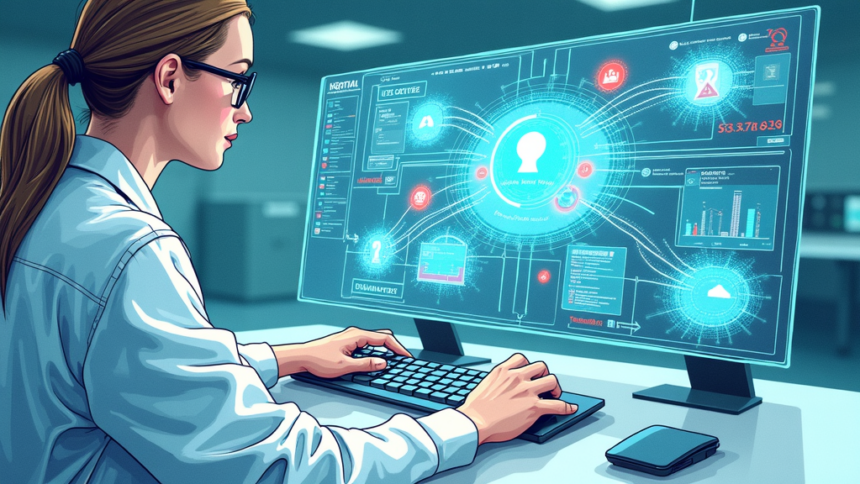
Deception Technology as a Proactive Defense
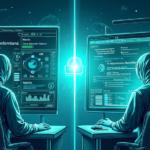
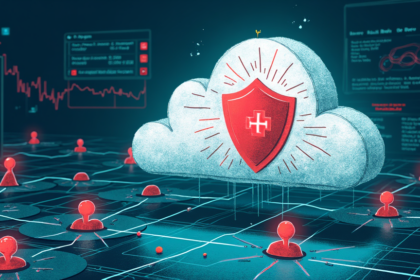
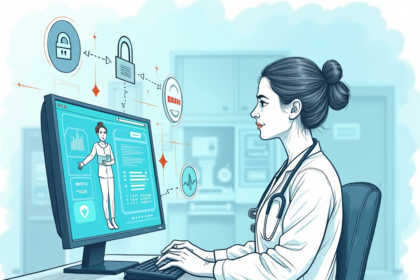
Deception technology has emerged as a powerful tool for organizations seeking to move beyond reactive security measures. By deploying decoys, honeypots, and digital twins that mimic real network assets, defenders can lure attackers into controlled environments. This approach not only detects intrusions early but also gathers intelligence on adversary tactics, techniques, and procedures. For industries like healthcare and financial services, where sensitive data is a prime target, deception offers a way to confuse threat actors and buy critical time for response teams.
Integrating with AI and Microsegmentation
Modern deception strategies work best when combined with other advanced techniques such as predictive threat analysis, microsegmentation, and automated response. Artificial intelligence can analyze deception-generated data to identify patterns and predict future attack vectors. Microsegmentation limits lateral movement, forcing attackers into deceptive segments where their activities are monitored. This layered defense helps organizations of all maturity levels, even those operating under the cybersecurity poverty line, to improve their security posture without massive resource investment.
Impact on Defense and Critical Infrastructure
The shift toward active defense is reflected in recent U.S. Department of Defense cyber strategies, which emphasize disrupting malicious actors and protecting critical infrastructure from state-sponsored threats. Deception and digital twin technologies are now used to model attack scenarios, train security teams, and harden systems before real incidents occur. As insider threats rise by over 44 percent, deploying deception across all user roles helps mitigate risks from both internal and external adversaries, making it a vital component of comprehensive cyber defense.
Source: Healthcareinfosecurity