The Shift to AI Driven Security Operations
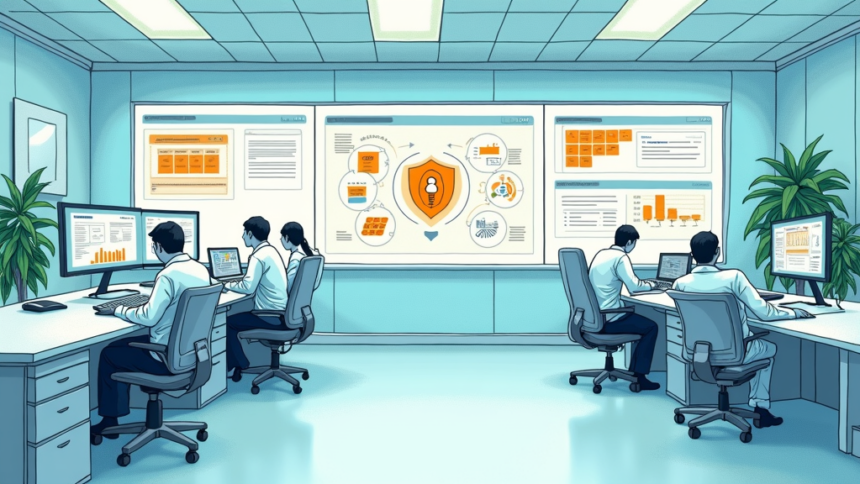
Security operations centers in healthcare are under unprecedented pressure. Traditional endpoint tools cannot keep pace with attacks that move across endpoints, networks, cloud systems, and identity layers within minutes. Palo Alto Networks Cortex XDR represents a new approach that consolidates these fragmented defenses into a single AI driven platform. For hospital CISOs, this consolidation means fewer disconnected alerts and faster triage of threats targeting patient data and clinical systems.
Implications for Hospital Security Teams
Healthcare organizations face unique challenges: sensitive patient data, connected medical devices, and strict HIPAA compliance requirements. Cortex XDR uses machine learning to detect anomalies across all attack surfaces, reducing the time between breach and response. This is critical for preventing ransomware that could disrupt elective surgeries or compromise electronic health records. The platform also streamlines compliance reporting by correlating security events with regulatory frameworks.
What This Means for Healthcare Organizations
Adopting AI driven SecOps allows health systems to move from reactive patching to proactive threat hunting. By automating detection and response workflows, hospital IT teams can focus on protecting medical IoT devices and securing telehealth infrastructure. The speed of AI driven defense matches the speed of modern cyberattacks, safeguarding both patient safety and operational continuity. A healthcare CISO should evaluate how such a platform integrates with existing EHR systems and medical device management tools to maximize protection.
Source: Healthcareinfosecurity