
The New Frontier of Cloud Attacks
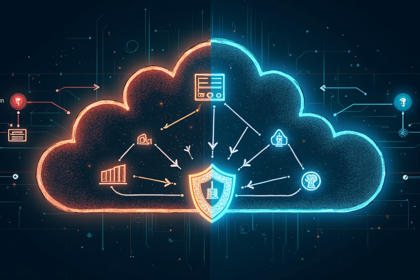
The cloud is under sustained assault, and adversaries are moving from initial access to data exfiltration at record speed. Recent software supply chain attacks, including malicious packages in open source repositories and backdoors in widely used libraries, demonstrate that threat actors are targeting the very foundations of modern development. These incidents impact not only security teams but also business operations and customers, creating a cascade of consequences across the enterprise.
Agentic AI: A Double Edged Sword
Security teams are struggling to keep pace with the rapid adoption of AI. New large language models and AI infrastructure have proliferated across IT environments, and now AI agents and semi autonomous workflows are adding another layer of complexity and unpredictability. According to Delinea CEO Art Gilliland, relaxed governance and invisible AI agents are creating serious enterprise risk. The digital perimeter is no longer defined by human logins alone. Organizations are effectively onboarding a new class of digital colleagues that operate with speed, with Goldman Sachs estimating that agentic AI could account for 60% of the software market.
Credential Fatigue and the Rise of Non-Human Identities
Credential based attacks continue to drive breaches as AI accelerates phishing and exploitation tactics. Dashlane CEO John Bennett warns that passwords persist as a major risk, urging organizations to shift toward proactive, real time credential security strategies. Meanwhile, highly regulated industries face mounting pressure to secure a growing landscape of non-human identities, including service accounts, bots, RPA tools, and AI agents. These identities often outnumber human users 45 to 1, yet 75% lack designated ownership, creating a massive blind spot for security teams.
Source: Healthcareinfosecurity