
The Shift to AI Augmented Operations
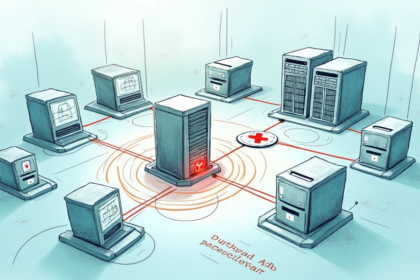
Modern Security Operations Centers (SOCs) are under unprecedented pressure as attackers weaponize automation and artificial intelligence. The speed, scale, and complexity of cyberattacks have escalated to the point where human effort alone cannot keep pace. Security leaders are now forced to make high confidence decisions in minutes, not hours, blurring the line between normal activity and active compromise. To stay ahead, organizations are deploying AI at machine speed while keeping humans in the loop for high stakes decisions. This hybrid approach improves alert coverage, automates response, and reduces attacker dwell time without sacrificing the judgment needed for complex threats.
The Role of Cyber Deception and Observability
Cyber deception has emerged as a precision tool that provides high fidelity alerting grounded in observed attacker behavior. Rather than merely trapping adversaries, deception gives analysts clarity that traditional detection tools often miss. Simultaneously, the adoption of open standards like OpenTelemetry (OTel) is enabling practical migration paths for metrics, logs, and traces. These observability improvements help SOC teams build confidence by reducing noise and blind spots, shifting workflows from reactive response to proactive risk reduction. Industry reports confirm that high performing teams are those that integrate these technologies to overcome visibility failures and governance weaknesses.
Impact on Incident Response and Breach Readiness
Despite decades of security investment, familiar gaps continue to lead to breaches, particularly identity driven attacks and governance failures. In crisis situations, decision making under pressure depends on clear communication, containment strategies, and realistic recovery plans. By aligning security and innovation teams, organizations can move fast without compromising safety. Analysts note that frontier AI leaders are taking divergent approaches to vulnerability discovery, and the winner will be the one that best balances speed with accuracy. The takeaway is clear: operationalizing security inside a modern SOC requires pragmatic automation, strong human oversight, and a commitment to bridging the gap between detection and response.
Source: Healthcareinfosecurity