The Role of Deception in Healthcare Security
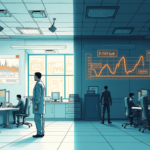
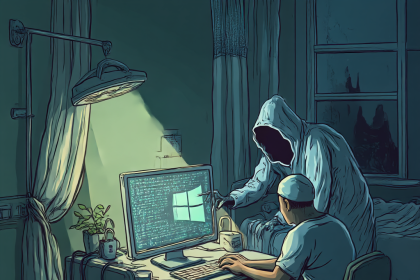
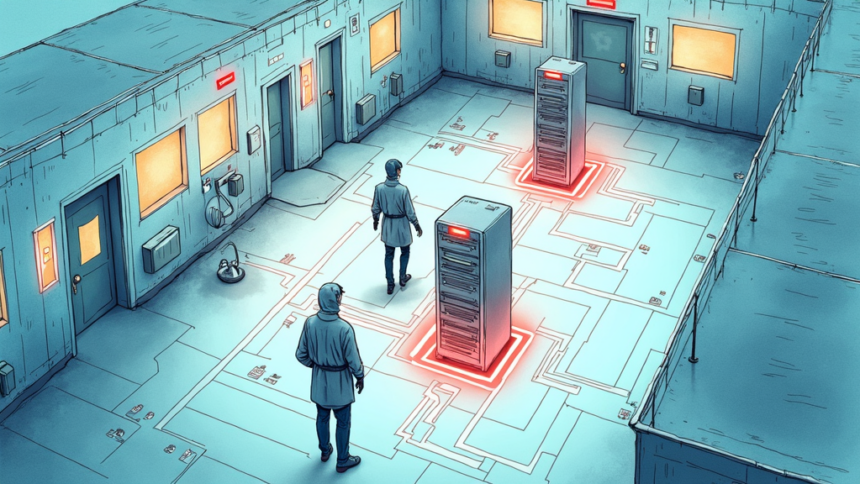
Advanced cybersecurity techniques like deception technology, predictive threat analysis, and microsegmentation are proving highly effective for healthcare organizations. By deploying decoys and lures, security teams can detect threat actors who have already bypassed perimeter defenses, redirecting them away from real patient data and critical systems. This proactive approach turns the tables on attackers, forcing them to reveal their presence while defenders gain valuable intelligence on their methods.
Active Defense and the Evolving Threat Landscape
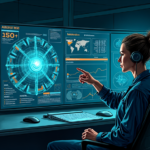
The Defense Department’s updated cyber strategy emphasizes disrupting malicious actors and strengthening allied capabilities to counter threats to critical infrastructure, including healthcare. As exploit windows shrink and remediation efforts struggle to keep pace, the focus shifts from merely accumulating vulnerability findings to validating which threats pose real risk. Active defense measures, including automated response and agentic validation, help organizations prioritize fixes and reduce noise, ensuring resources are directed where they matter most.
Impact on Healthcare Cybersecurity
The combination of deception technology and active defense strategies offers healthcare entities a powerful way to rise above the cybersecurity poverty line. By embedding security into networks and using digital twins to model attack scenarios, organizations of all sizes can detect insider and external threats earlier. This approach not only improves breach detection but also reduces dwell time, helping protect sensitive health data from increasingly sophisticated identity based attacks.
Source: Healthcareinfosecurity