How Deception Technology Works
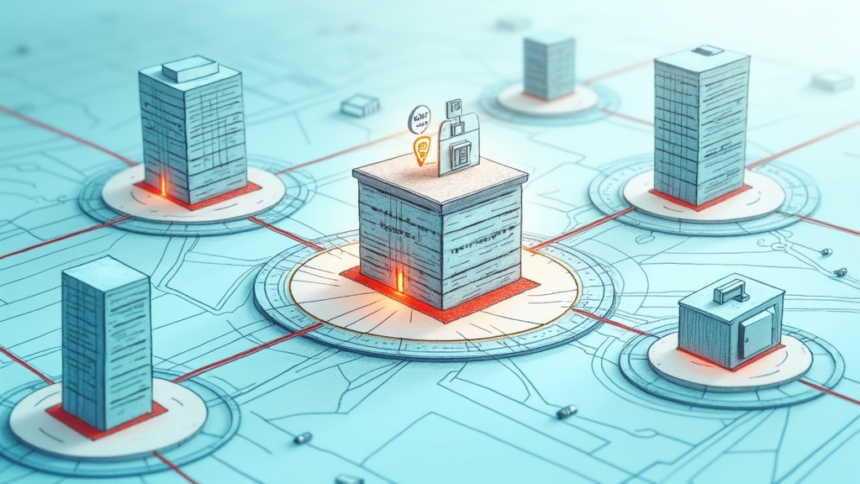
Deception technology creates realistic decoys, such as fake servers, credentials, and data, within a network to lure attackers away from genuine assets. Once a threat actor interacts with a decoy, security teams receive an immediate alert with detailed intelligence about the attack methods and lateral movement patterns. This proactive approach flips the security model from reactive detection to active engagement, allowing defenders to observe attacker behavior without risking real systems.
Impact and Scope Across Healthcare
In healthcare, where the average breach cost is among the highest of any industry, deception technology helps organizations detect threats early and reduce dwell time. By integrating with existing security stacks, these systems can automatically isolate compromised endpoints and feed threat intelligence back into detection rules. For hospitals and clinics operating under tight budgets, deception offers a scalable defense that works alongside traditional tools like firewalls and endpoint protection, helping even organizations struggling with the cybersecurity poverty line improve their posture.
Integrating Advanced Techniques for Better Outcomes
Modern deception platforms are increasingly combined with AI driven predictive analytics to anticipate attacker moves before they happen. Some vendors, like Palo Alto Networks, are embedding deception capabilities into broader zero trust frameworks that include microsegmentation and automated response. For example, a healthcare entity using such a platform might deploy digital twins of its electronic health record system, allowing analysts to study attack patterns without risking patient data. As exploit windows shrink, validated intelligence from deception systems enables teams to prioritize fixes that matter, cutting through the noise of unvalidated vulnerability alerts.
Source: Healthcareinfosecurity