
The Growing Threat to Healthcare Cloud Infrastructure
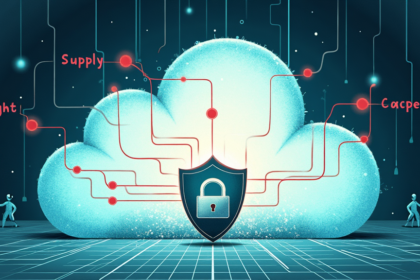
Healthcare organizations are rapidly adopting cloud services and AI tools, but this digital transformation is creating significant security blind spots. As AI enabled adversaries accelerate the speed of cyberattacks across cloud and hybrid environments, many healthcare entities still manage cloud exposure separately from broader enterprise risk. This fragmented approach creates visibility gaps that attackers can exploit to move laterally and compromise critical assets, including electronic health records (EHR) systems and patient data repositories.
Recent research from Palo Alto Networks indicates that AI tools are reshaping cloud environments faster than organizations can secure them, with credential based attacks continuing to drive breaches as AI accelerates phishing and exploitation tactics. For healthcare organizations, this means patient data protected under HIPAA is increasingly at risk from sophisticated attacks that exploit cloud misconfigurations and shared responsibility misunderstandings.
Implications for Hospital Security Teams
Hospital security teams face unique challenges when securing AI driven cloud services. The proliferation of non human identities, including service accounts, bots, and AI agents accessing sensitive healthcare data, has created an environment where these identities often outnumber human users 45 to 1, with 75% lacking proper governance. This is particularly concerning in healthcare settings where AI agents might access patient records, diagnostic tools, or medication management systems.
Healthcare CISOs must recognize that traditional perimeter based security is no longer sufficient. The digital perimeter now includes AI agents operating as digital colleagues with unprecedented speed and autonomy. Organizations need proactive real time credential security strategies and unified visibility across their cloud and on premises environments to protect against the fast moving kill chain that characterizes modern attacks on healthcare infrastructure.
What This Means for Healthcare Compliance and Patient Safety
The intersection of AI, cloud security, and healthcare compliance creates urgent priorities for patient safety and data protection. When cloud misconfigurations or AI agent vulnerabilities expose patient data, healthcare organizations face not only regulatory penalties under HIPAA and HITECH but also potential harm to patients whose sensitive medical information could be exposed. The speed from initial access to full exfiltration in cloud attacks means hospitals have minimal time to detect and respond to breaches.
Healthcare organizations should adopt frameworks like CIS SecureSuite and CIS Hardened Images to strengthen their cloud security posture while maintaining HIPAA compliance. By moving from reactive security to proactive risk management, healthcare entities can better protect patient data, maintain operational continuity, and ensure that the benefits of AI driven cloud services do not come at the cost of patient safety or regulatory compliance.
Source: Healthcareinfosecurity