The Challenge of Non-Deterministic AI
The rapid adoption of artificial intelligence agents and applications has created significant challenges for enterprise security teams. Unlike classic software, which is deterministic and predictable, AI applications break that traditional security contract. This unpredictability expands the potential blast radius of any security incident, while business pressure to deploy quickly often leaves security teams struggling to keep pace.
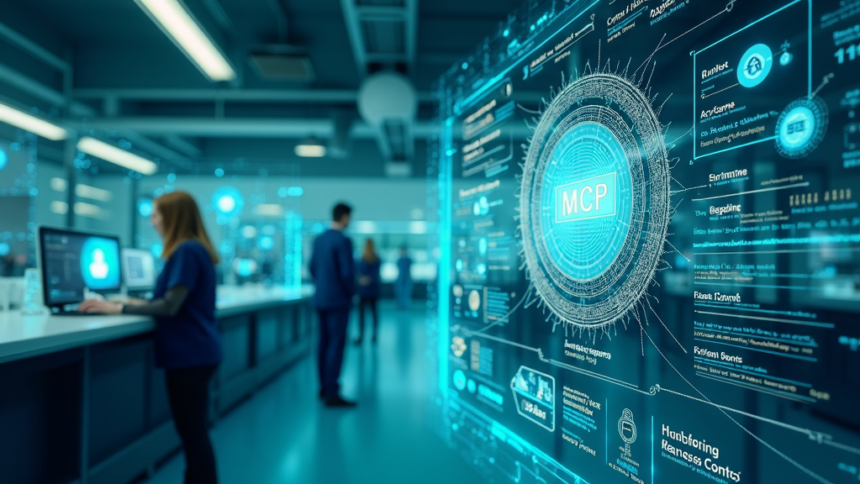
Niv Braun, co-founder and CEO at Noma Security, explains that this new reality demands a security approach built on two core principles: a flexible framework that can absorb fast-moving technologies like the Model Context Protocol (MCP), and deep contextualization that connects posture management, access controls, and runtime monitoring into a unified signal.
The Critical Role of Runtime Visibility
Without visibility into what happens at runtime, security teams cannot provide effective recommendations for configuring AI agents or determining appropriate access controls. Braun emphasizes that runtime data is essential for both posture management and access control decisions.
Key considerations include the ability to distinguish legitimate agent actions from those that represent real risk. Early partnerships between AI providers and security vendors are enabling secure-by-design capabilities, and a unified AI security platform offers significant advantages over siloed point products. Braun previously managed security in Unit 8200 of the Israeli Defense Forces and led security products at Verint before shaping AI security standards and policy frameworks.
Impact and Scope
This security challenge affects organizations across all sectors deploying AI agents and applications. The need for holistic, context-aware security frameworks is becoming critical as AI adoption accelerates. Industry discussions at events like RSAC Conference 2026 highlight the urgency of developing security approaches that can keep pace with AI innovation while maintaining effective protection against emerging threats.
Source: Healthcareinfosecurity